Last updated November 18, 2026



Free written scope consultation - allowances, timeline, and change-order rules on paper before a single trade is scheduled
Seasonal Construction Care for North Miami: Year-Round Homeowner’s Guide
Most seasonal maintenance checklists floating around online were written for places that get snow. They tell you to drain hose bibs, clear gutters of ice, and watch for frost heave. None of that applies here. North Miami doesn’t run on four seasons. It runs on two: a dry season from November through April and a wet season from June through October, with a short, critical transition window in between. Each one attacks your home differently, and each one asks for different work. Get the timing wrong and you’re sealing a driveway in the rain or chasing a roof leak mid-storm. This guide maps the dry-season and wet-season threat cycles to the specific actions that actually protect a North Miami house, so you can stop doing generic spring cleaning and start maintaining for the climate you live in.
Quick Answer
Seasonal construction care in North Miami means scheduling structural and cosmetic repairs during the dry season (November through April), when low humidity lets sealants, coatings, and concrete cure correctly, and switching to an inspection-and-monitoring routine during the wet season (June through October). The most important single deadline is finishing roof, driveway, and exterior envelope inspections before June 1, when hurricane season opens. Materials applied in wet conditions fail early, so timing matters as much as the product.
Styles & brands we work with
- Kitchen remodeling
- Bathroom remodeling
- Home additions & ADU
- Roofing
- Windows & doors
- Driveway & pavers
- Fence
Table of Contents
- Why North Miami Has Two Seasons, Not Four
- The Dry Season Action List (November through April)
- The Pre-Wet-Season Window: April and May
- Your Wet Season Monitoring Protocol (June through October)
- How Dry-Season UV Attacks South- and West-Facing Surfaces
- Managing Salt-Air Exposure Near Biscayne Bay
- Neighborhood-by-Neighborhood Notes
- Common Mistakes to Avoid
- When to Call a Professional
Why North Miami Has Two Seasons, Not Four
North Miami sits in a subtropical climate with a sharp split between a dry winter and a humid summer. The dry season runs roughly November through April: less rain, lower humidity, and a stretch of stable days that lets exterior work cure the way the manufacturer intended. The wet season runs June through October and overlaps hurricane season, which opens June 1. In between sits a transition period in April and May when the rain hasn’t fully arrived but the clock is ticking.
That split changes what “seasonal care” means. In a cold climate, winter is the enemy and you spend fall battening down. Here, the dry season is your window to build and repair, and the wet season is when you watch and document. Doing it backwards is the most common mistake we see in North Miami. Homeowners wait for a problem to appear in July, then try to schedule a repair while the sky opens up, and the product they need can’t cure.
Here’s how the two seasons compare for a typical North Miami home:
- Dry season (November – April): Best time for painting, sealing, caulking, concrete and driveway work, roof repairs and replacements, fence installation, and window and door replacement. Low humidity lets sealants bond and concrete cure without trapped moisture.
- Wet season (June – October): Best time to inspect and monitor, not to install. Heavy rain reveals weaknesses in flashing, drainage, and caulk lines, but it also makes sealing and coating work unreliable. Focus on documenting, patching small issues, and booking bigger work for the fall.
- The transition (April – May): Your pre-hurricane-season inspection window. Roof, driveway, drainage, and the exterior envelope get checked before June 1.
That’s the whole framework. The rest of this guide fills in the specific actions for each window, with the material and product considerations that actually hold up in North Miami conditions.
The Dry Season Action List (November through April)
The dry season is when North Miami homeowners should schedule every job that depends on low humidity to cure, set, or bond correctly. If you’re planning a single major project or a phased renovation this year, this is the window to get it done or at least get it started. The reason is simple: moisture is the enemy of adhesion and curing, and in the wet season you can’t guarantee a dry stretch long enough for a coating or a sealant to do its job.
Work that belongs in the dry season:
- Exterior painting and staining: Paint and stain need a dry surface and a dry cure window. Applied to damp wood or stucco, they trap moisture and peel early. Dry-season days give you the margin.
- Caulking and sealant replacement: Around windows, doors, and roof penetrations. Silicone and urethane sealants bond best to dry, clean surfaces.
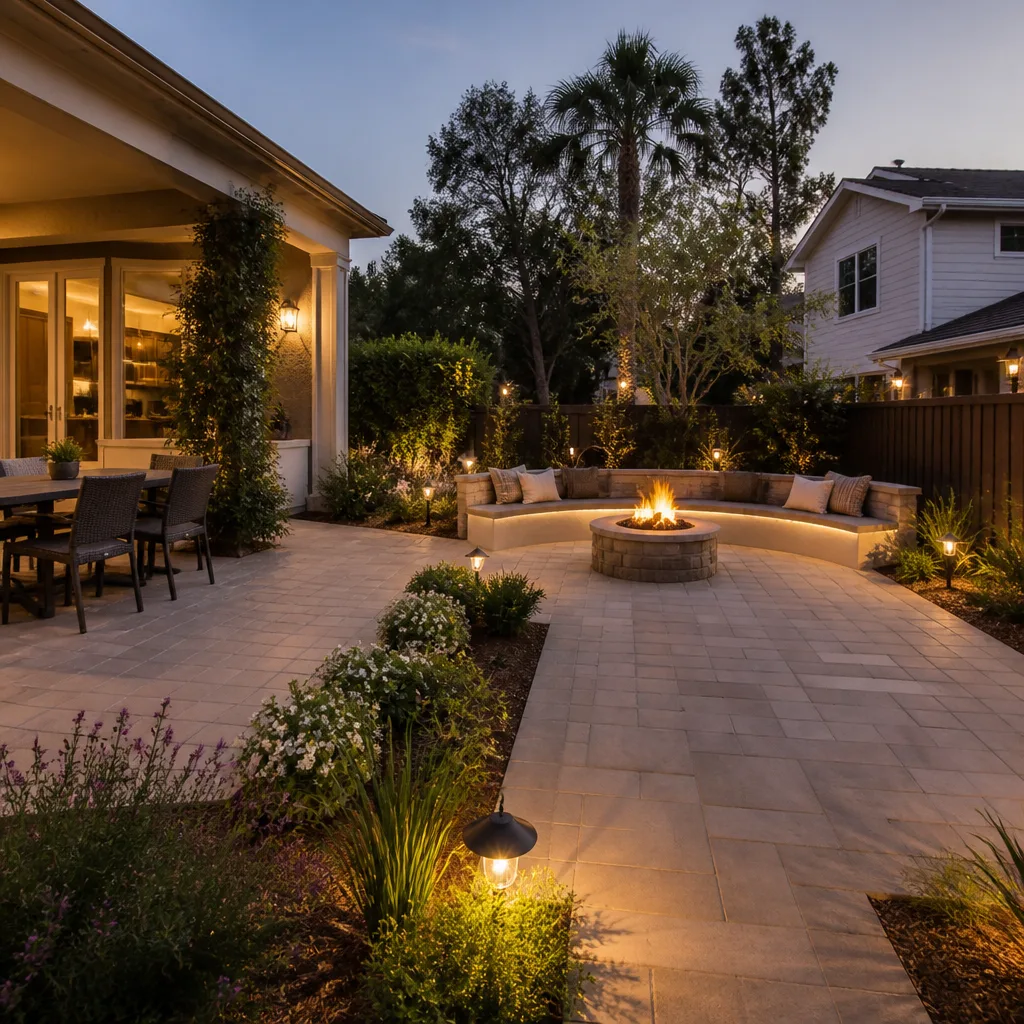
- Concrete and driveway work: New concrete, resurfacing, and paver installation. Concrete curing is sensitive to excess water; dry-season conditions let it cure at the intended rate. This is the best time to look at driveway & pavers work, whether you’re replacing a cracked slab or installing pavers from Belgard, Unilock, or Tremron.
- Roof repairs and replacement: Asphalt shingle and tile work both want dry conditions. This is also the season to choose your shingle brand deliberately, across GAF, CertainTeed, or Owens Corning, rather than accepting whatever a single-trade shop has on hand.
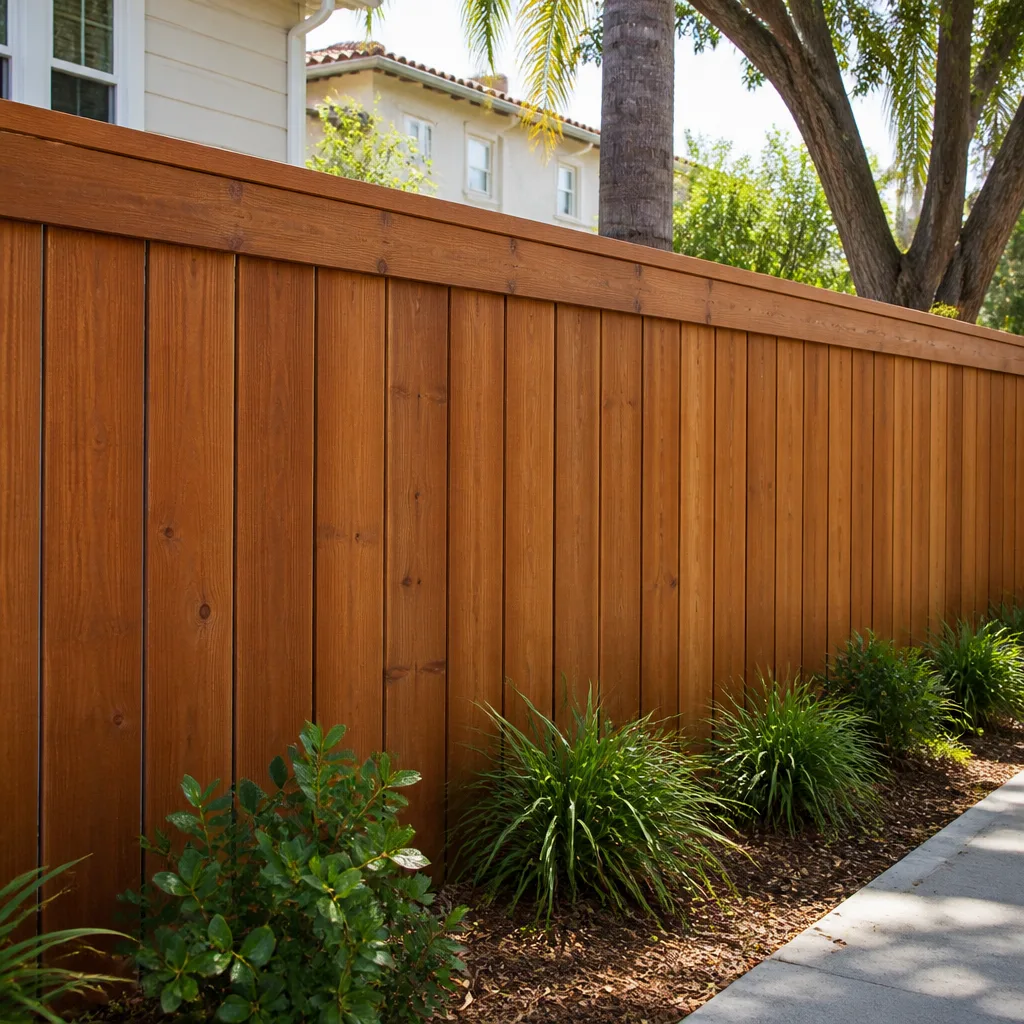
- Fence installation: Wood, vinyl, and aluminum fence work all set better in dry conditions. See fence installation if you’re planning a new perimeter or replacing storm-damaged sections.
- Window and door replacement: Sealing a new window or door into the wall assembly requires dry framing and dry flashing tape. A rainy-season install risks trapping moisture behind the frame.
If you’re thinking about a bigger structural addition, the dry season is also the most predictable time to schedule home additions & ADU work, since exterior framing and roofing stay dry through the build.
The Pre-Wet-Season Window: April and May
April and May are the most underused months on a North Miami homeowner’s calendar. The rain hasn’t fully arrived, so conditions are still workable, but June 1 is close enough that any serious defect you find still has time to be fixed before the wet season opens. Treat this as an inspection window, not a construction window. The goal is to find problems, document them, and book the repairs that matter.
Your pre-wet-season inspection should cover four areas:
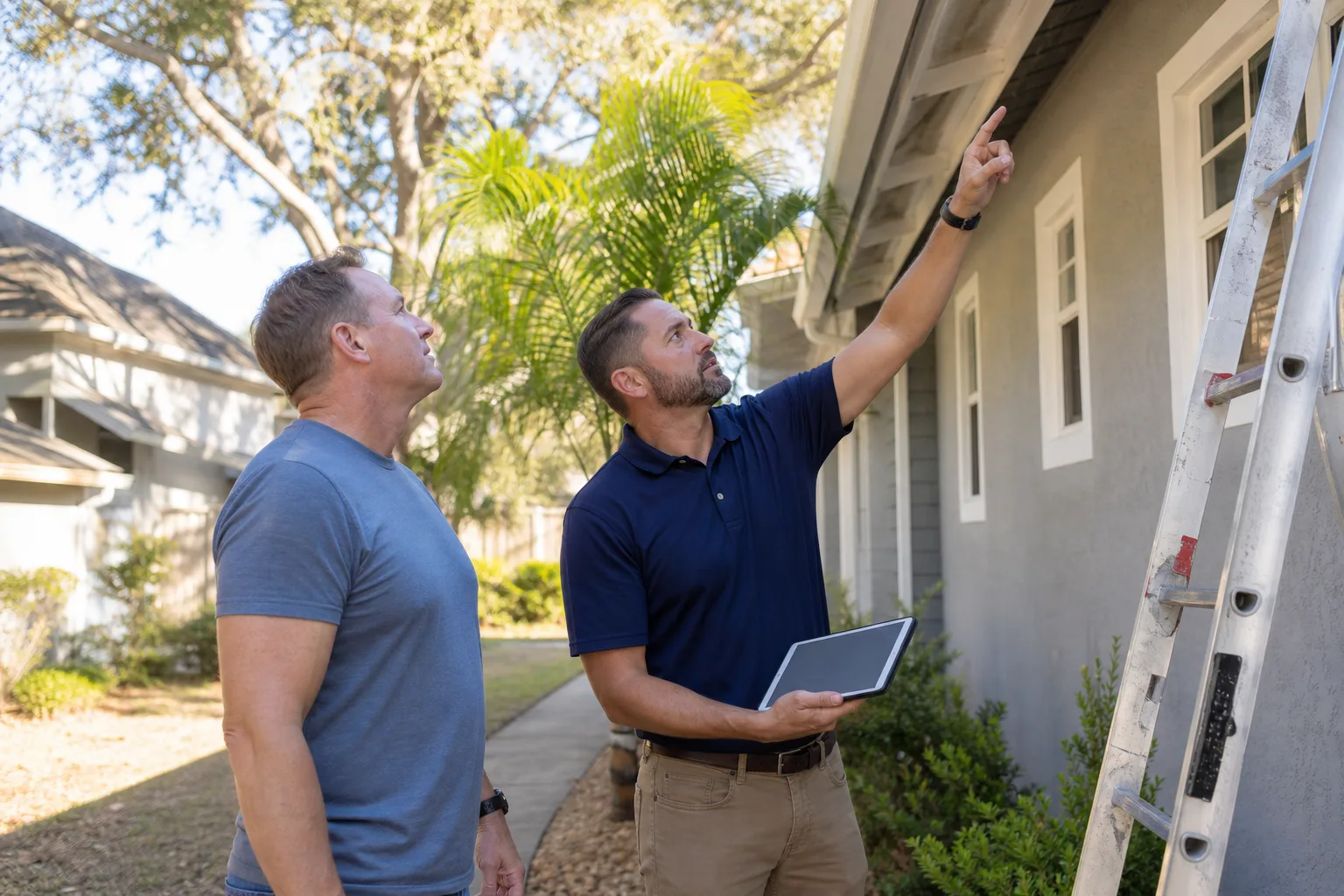
- Roof: Check flashing at chimney and vent penetrations, look for lifted or missing shingles, and inspect the roof-to-wall junction. This is the point in the year when a single cracked flashing seal is easy to find and easy to fix. By July it’s a ceiling stain.
- Driveway and hardscape: Walk the driveway and look for cracks, settled pavers, and ponding spots where water sits after a rain. Standing water is a sign the grade or drainage has shifted and will worsen with wet-season rain.
- Exterior envelope: Check caulk lines around windows and doors, look for stucco cracks, and confirm that weep screeds and drainage paths are clear. Water that can’t drain away from the wall finds its way in.
- Drainage and grading: Confirm that gutters, downspouts, and yard grading move water away from the foundation. A downspout that dumps next to the slab is a foundation problem waiting for the first heavy rain.
If you find anything on that list you’re not sure about, get it looked at before June. Roofing work is one area where the sequence matters, which is why a pre-season inspection is worth more than a post-storm repair. Our technicians have up to 9 years of experience reading these signs, and the difference between a flashing repair in April and a ceiling repair in August is real.
Your Wet Season Monitoring Protocol (June through October)
The wet season is for monitoring, not for major installs. From June through October, the job is to watch how your house handles water, log what you find, and know when a small issue needs a patch versus a contractor call. A written log is more useful than memory, because the wet season is long and problems compound quietly.
After each significant rain event, check these five points and write down what you see:
- Ceilings and upper walls: Any discoloration, bubbling paint, or damp smell. A new stain after a heavy rain points to a roof or flashing issue.
- Around windows and doors: Water on the interior sill, damp drywall at the corners, or a soft spot in the frame. Failed seals show up fast in the wet season.
- Driveway and yard drainage: Where water pools, how long it stays, and whether it drains toward or away from the house. Pools that linger more than a day are a warning.
- Fence and gate hardware: Loose posts, sagging gates, and rust on fasteners. Wet-season movement is a sign the posts weren’t set deep enough or the hardware is corroding.
- Exterior caulk and sealant: Cracking, peeling, or gaps that opened up. Small gaps get patched; large ones get scheduled for the dry season.
When to patch versus call: hairline cracks, a small caulk gap, or a single loose shingle tab can wait for a dry-season repair. But active water intrusion, a ceiling stain that grows after each storm, a soft spot in drywall, or water pooling against the foundation are all calls for a professional. A wet-season patch on active intrusion is a temporary fix at best; the real repair needs dry conditions. If you’re not sure which category you’re in, describe what you’re seeing and we’ll tell you what’s likely.
How Dry-Season UV Attacks South- and West-Facing Surfaces
North Miami’s dry season comes with long stretches of intense sun, and the surfaces facing south and west take the most of it. UV exposure breaks down the chemistry in paint, sealant, roofing granules, and plastic and composite materials over time. You see it as chalky paint, faded shingles, cracked caulk, and brittle trim. The damage is cumulative, which is why it’s the sun-facing surfaces that fail first, not the sheltered ones.
When you replace or refinish those surfaces, the product specification matters as much as the installation. Look for these on south- and west-facing elevations:
- Paint and coatings rated for high UV: Exterior acrylic paints with UV inhibitors and a higher sheen hold up longer than flat finishes on sun-facing walls.
- Roofing materials with granule or coating protection: Asphalt shingles rely on their granules for UV protection, and the quality of that protection varies by brand. This is a real reason to choose deliberately among brands like GAF, CertainTeed, and Owens Corning rather than accept a no-name product.
- Sealants rated for exterior sun exposure: Urethane and high-performance silicone sealants resist UV breakdown better than basic caulk and are worth specifying around sun-facing windows and doors.
- Fade-resistant finishes on fences and doors: Vinyl, aluminum, and factory-finished wood hold color longer than site-painted or untreated materials on exposed elevations. For doors and windows, impact-rated lines from PGT and CGI with James Hardie cladding on the exterior give you UV-stable surfaces.
The practical takeaway: when you’re replacing anything on a south or west elevation, ask what the product’s UV rating is, not just its price. Cheap materials on those walls come back faster than anywhere else on the house.
Managing Salt-Air Exposure Near Biscayne Bay
If your home sits within roughly two miles of Biscayne Bay, salt air affects metal fasteners, coatings, and sealants on a schedule that inland homes don’t face. Salt accelerates corrosion on unprotected steel, pits aluminum, and degrades finishes faster than UV alone. The fix is material selection at the specification stage, not repeated touch-ups after the fact.
What to specify for homes close to the bay:
- Stainless steel fasteners: For fencing, decking, and any exterior hardware. Galvanized fasteners are fine inland, but near the bay, stainless resists corrosion much better.
- Marine-grade or powder-coated aluminum: For fence panels and railing. Powder coating adds a protective layer that holds up better than bare or painted aluminum.
- Exterior sealants rated for coastal exposure: High-performance urethane and silicone sealants handle salt air and UV together better than standard caulk.
- Corrosion-resistant plumbing fixtures for any exterior-adjacent bath: If you’re remodeling a bathroom that opens to an exterior wall or a covered outdoor area, brands like Moen, Delta, and American Standard offer finishes tested for humid, salty conditions.
Salt air is a specification problem, not a maintenance problem. You can’t caulk your way around incompatible fasteners. Pick the right metals and coatings once, and the annual touch-up shrinks to almost nothing.
Neighborhood-by-Neighborhood Notes
North Miami’s neighborhoods don’t all face the same conditions, and the maintenance priorities shift depending on where you are. Here’s how the two-season framework plays out across a few areas:
Near Biscayne Bay (eastern North Miami): Salt-air exposure is highest here, so metal fastener and coating choices matter most. Homes close to the bay should plan on stainless fasteners and powder-coated aluminum for fencing and any exterior metal. This is also where the pre-wet-season inspection window is most valuable, since a slow seal failure compounds faster with salt and humidity together.
Inland and central North Miami: Less salt exposure, but the UV and dry-season heat are just as intense. Roofing and paint on south- and west-facing elevations degrade fastest here, and those are the surfaces to inspect annually. Drainage matters more here than in coastal areas, since inland lots often have flatter grades that hold water.
Newer construction and renovated homes: Homes with impact-rated windows and doors need different seasonal care. The seals and weatherstripping matter more than paint on those units, and the yearly check is less about finish and more about confirming that the perimeter caulk and drainage channels are intact.
Homes planning an addition or ADU: If you’re considering an ADU, the dry season is the right time to start. Prefab and modular platforms from Abodu, Dvele, Mighty Buildings, and Boxabl all benefit from a dry build window, and getting the site prep and foundation right before the wet season avoids rework later.
Common Mistakes to Avoid
- Following a northern-climate checklist. Drain-the-pipes, clear-the-ice-dams advice does nothing for a North Miami home. The right framework is two seasons, not four, and applying a cold-climate schedule wastes the dry-season window you actually have.
- Painting or sealing in the wet season. Paint and sealant applied to damp surfaces fail early. Even a dry-looking day in July can have enough humidity to trap moisture and shorten the life of the finish, so book this work for the dry season instead.
- Skipping the pre-June inspection. Waiting for a leak to appear during the first tropical downpour means fixing it in the worst conditions. Inspect in April and May, while there’s still time to act before June 1.
- Ignoring south- and west-facing surfaces. Those walls and roof sections take the most UV and fail first. If you only inspect one side of the house, make it the sun-facing side, because that’s where the paint, granules, and caulk break down earliest.
- Using the wrong fasteners near the bay. Standard galvanized hardware corrodes faster near Biscayne Bay. Specify stainless steel or powder-coated aluminum for any exterior metal, and check the fasteners on existing fences and railings before they fail.
- Treating a wet-season patch as a fix. Patching an active leak in July stops the drip but doesn’t solve the cause. Log the problem, patch temporarily if needed, and schedule the real repair for the dry season.
- Choosing materials by price alone. On a North Miami home, cheap materials on exposed surfaces come back fast. Specify UV-rated and salt-rated products where the exposure is highest, or you’ll be paying for the same repair twice.
When to Call a Professional
Some of this work you can handle yourself: a visual inspection, a written log after each rain, small caulk touch-ups. But certain conditions call for a professional, and in North Miami those conditions are specific. Call us if you see active water intrusion that keeps coming back after each storm, a ceiling stain that grows, a soft spot in drywall, or water pooling against the foundation. Roof work is the clearest example: ladder work and flashing repairs on a pitched roof are a genuine safety risk, and a flashing defect is easy to make worse with a bad patch. Call us for any roof-level inspection or repair, any exterior envelope defect you can’t fully diagnose, and any drainage problem that’s moving water toward the house.
North Miami Construction offers free estimates in North Miami. We work across driveways, fencing, roofing, windows and doors, kitchens, bathrooms, and additions, so you don’t have to coordinate multiple specialists. Call (855) 842-6980 to schedule your free estimate. We answer 24/7, with fast dispatch from 7am to 7pm, Sunday through Friday.
See the difference
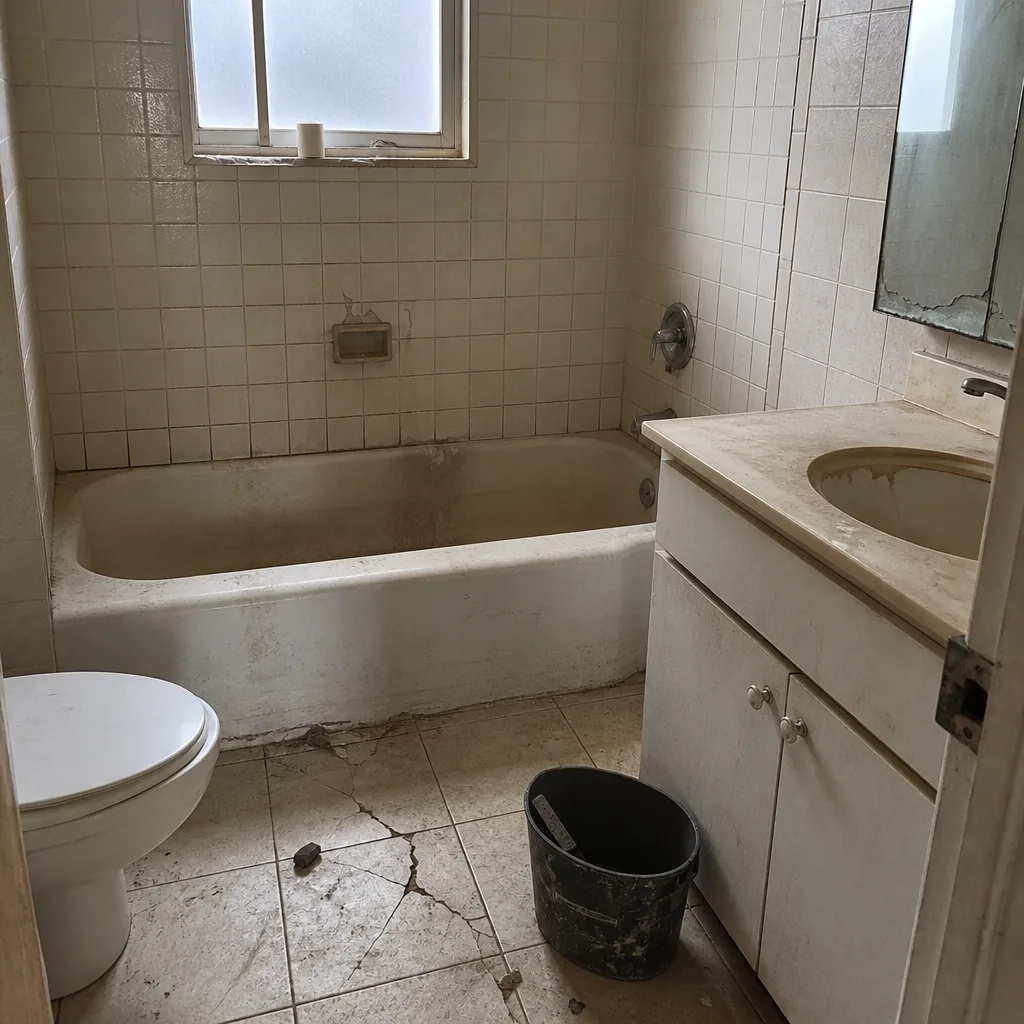 Before
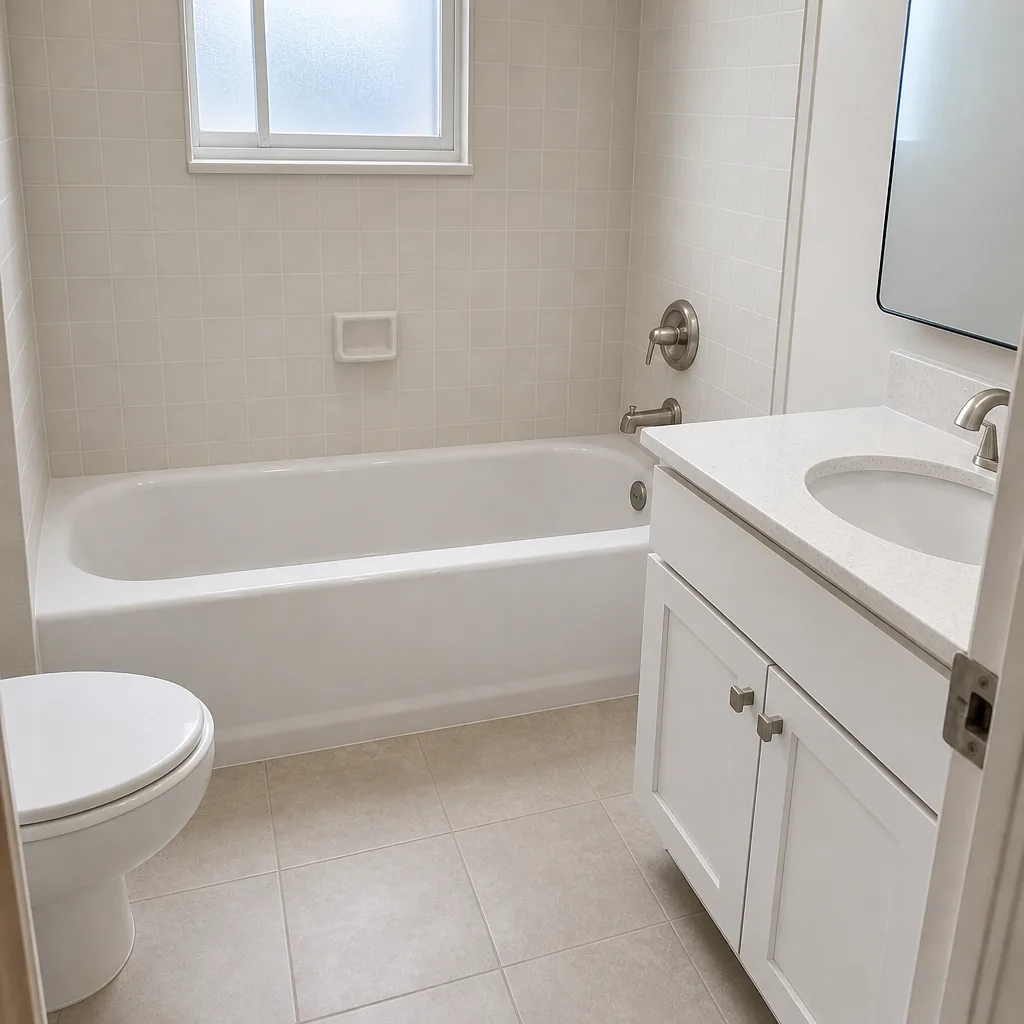 After
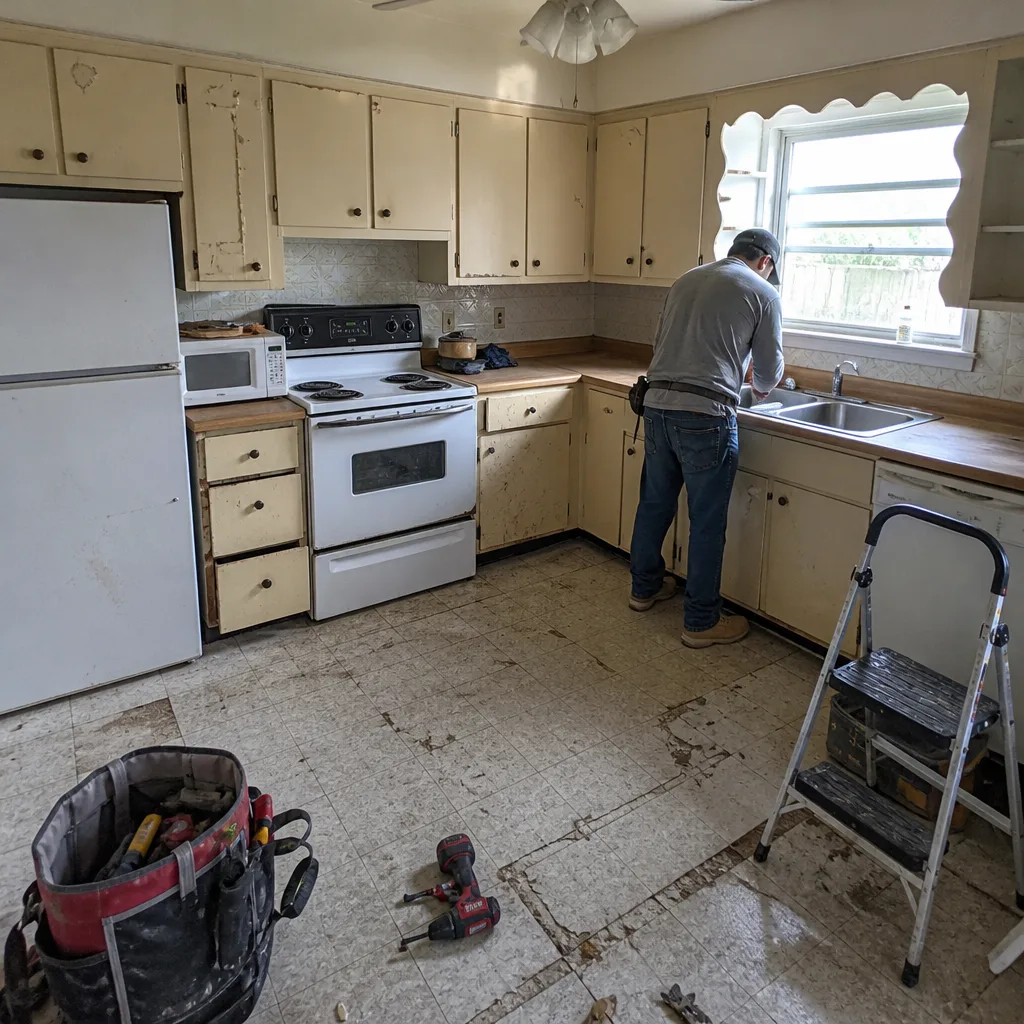 Before
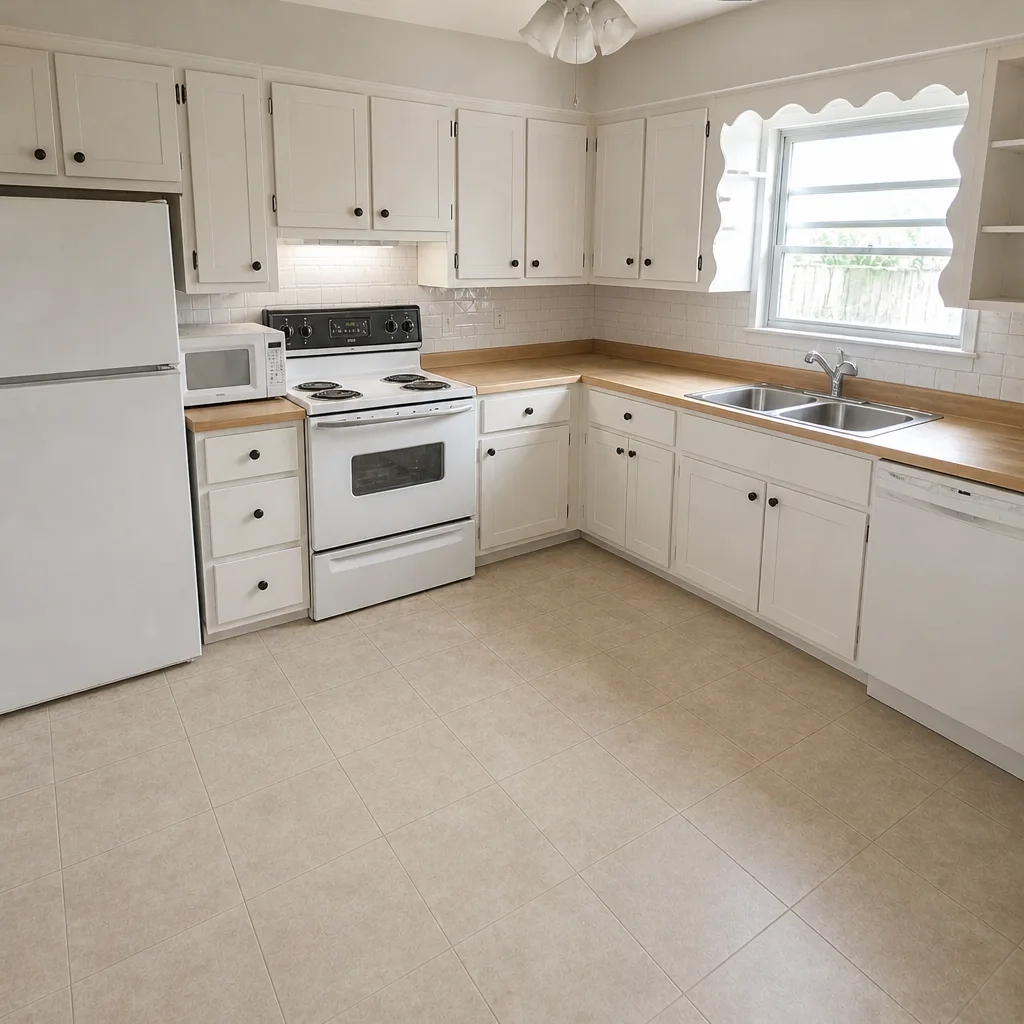 After
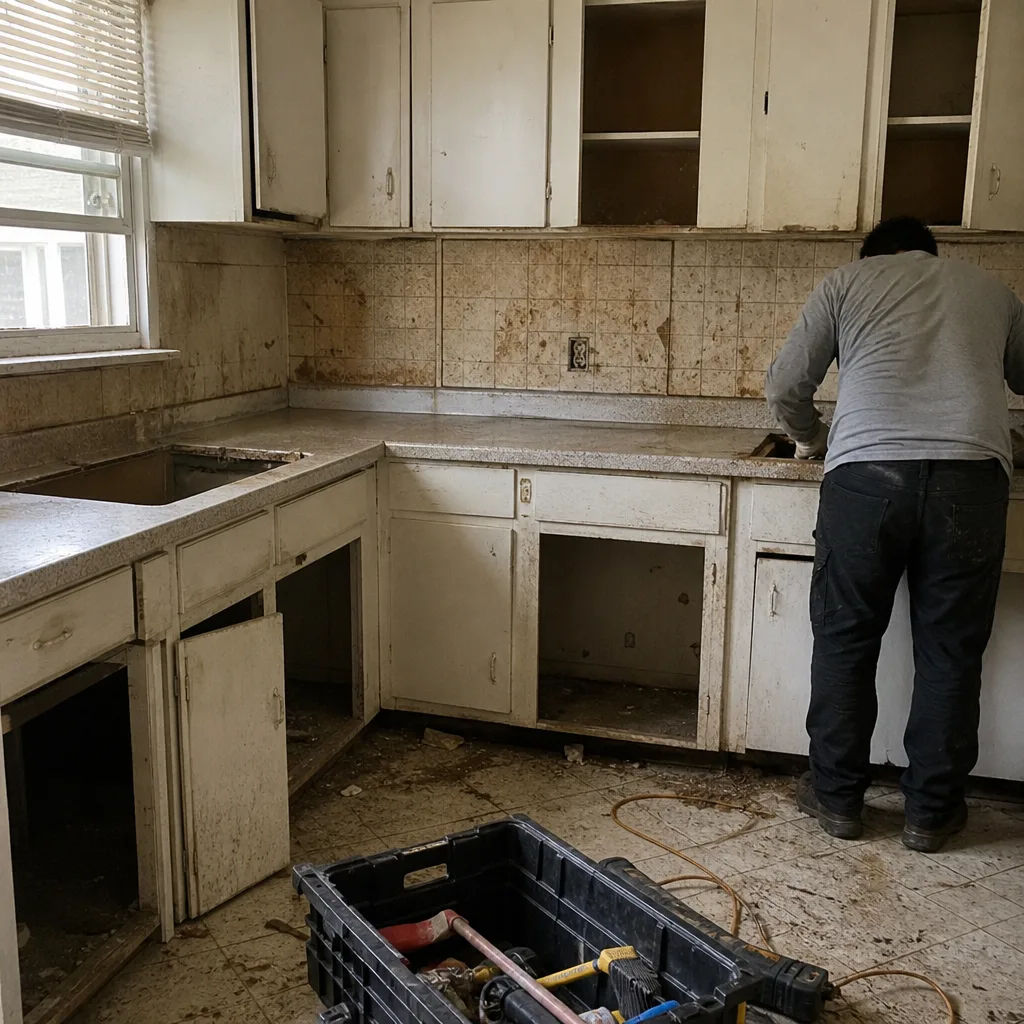 Before
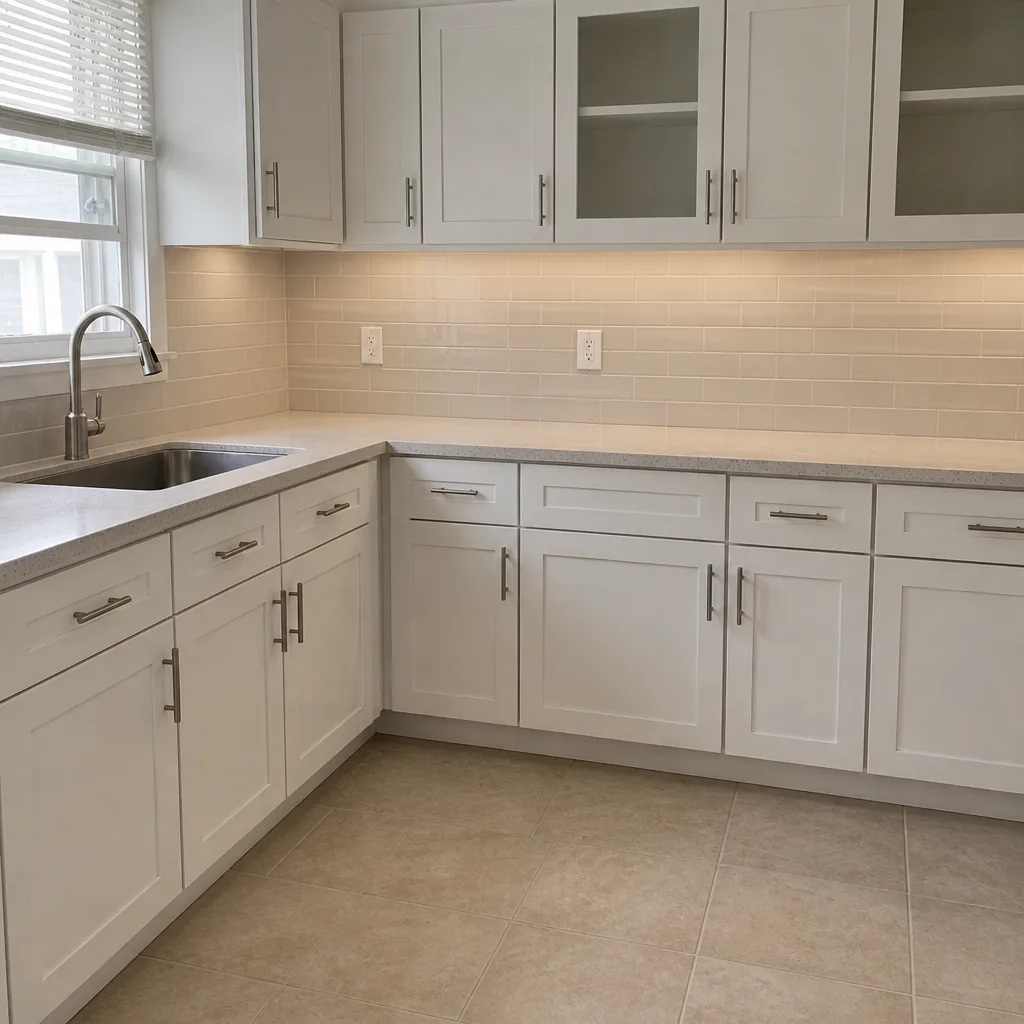 After
Frequently Asked Questions
The dry season, roughly November through April, is the best window for exterior work. Low humidity lets paint, sealant, concrete, and roofing materials cure and bond correctly. Work scheduled in the wet season risks trapping moisture or getting rained out mid-job.
Inspect in April or May, before June 1, when hurricane season opens. That gives you time to find flashing and shingle problems while conditions still allow a proper repair. Book any roof work for the dry season so the repair itself happens in workable weather.
It’s risky. Summer humidity and rain make it hard to guarantee a dry cure window, and coatings applied to damp surfaces fail early. The dry season gives you a reliable stretch of dry days, which is why we recommend scheduling paint and sealant work between November and April.
After every significant rain event, walk the interior ceilings and upper walls, check around windows and doors, and look at how the driveway and yard drain. Write down what you find so you can spot patterns. A stain that grows after each storm is a call for a professional.
Yes. Homes within about two miles of Biscayne Bay should use stainless steel fasteners and powder-coated or marine-grade aluminum for exterior metal, plus coastal-rated sealants. Salt air accelerates corrosion on standard hardware, so the material choice matters more than touch-up maintenance.
We offer free estimates, and the price for any resulting work is set per job by a written estimate, so there are no surprises once work starts. Call (855) 842-6980 to schedule yours, and we’ll walk you through what we find.
The Bottom Line
North Miami doesn’t need a four-season checklist. It needs two: a dry-season window for anything that cures, bonds, or sets, and a wet-season routine for monitoring and documenting. The single most important deadline is June 1, which is why April and May are the months to get your roof, driveway, and exterior inspected. Match your materials to the exposure, with UV-rated products on sun-facing walls and stainless or powder-coated metal near the bay, and you’ll spend less time fixing the same problem twice. Choose the right products once, schedule the work for the right season, and a North Miami home holds up year after year.
Ready to plan your seasonal work? Call (855) 842-6980 for a free estimate. One contractor, every layer of your home, from the driveway to the roofline. North Miami Construction handles the full scope so you don’t have to juggle multiple trades.
Written by the team at North Miami Construction.