Last updated November 18, 2026








Free written scope consultation - allowances, timeline, and change-order rules on paper before a single trade is scheduled
How to Hire a Construction Contractor in North Miami: A Step-by-Step Guide
Most homeowners here think hiring a contractor is about comparing three bids and picking the middle one. It isn’t. The bid is the last step, not the first, and by the time numbers are on paper you’ve already missed the screening that actually protects you. Florida keeps a free, public licensing database, and the state regularly fields thousands of contractor complaints every year, yet very few people pull a license record before they sign. In this guide we’ll show you exactly how to run that lookup, how to read what you find, what a real insurance certificate looks like, and how to structure a contract so a North Miami project stays on the rails from first inspection to final walkthrough.
Quick Answer
To hire a construction contractor in North Miami, verify the license and insurance yourself before you discuss price, ask what named materials they specify and where those materials come from, and sign a contract with a draw schedule tied to inspection milestones. A legitimate contractor expects every one of those questions and answers them without hesitation.
Styles & brands we work with
- Kitchen remodeling
- Bathroom remodeling
- Home additions & ADU
- Roofing
- Windows & doors
- Driveway & pavers
- Fence
Table of Contents
- Step 1: Run a DBPR License Check the Right Way
- Step 2: Read the Insurance Certificate, Not the Word “Insured”
- Step 3: The Five Material-Sourcing Questions That Reveal a Real Contractor
- Step 4: Match the License Class to the Scope of Your Project
- Step 5: Spot the Post-Storm Red Flags
- Step 6: Structure a Contract That Protects You
- Can One Contractor Really Handle Every Layer?
- What to Do When Something Goes Wrong
Step 1: Run a DBPR License Check the Right Way
Every contractor who works on your home in Florida should hold a license through the Department of Business and Professional Regulation, and the record is public. The lookup takes a few minutes. What most people don’t realize is that reading the result correctly is the harder half. A status field that says “active” tells you the license exists and hasn’t been revoked. It does not tell you the contractor is in good standing, current on fees, or free of open complaints. You have to look at the whole record, not one line.
Here’s how we tell homeowners to work through a license lookup in North Miami:
- Search by the individual or the business. Contractors are licensed to a person or a qualified business. Search both names to make sure the person in front of you matches the record.
- Read the status code in context. “Active” and “current” mean the license is in force. “Null and void” or “delinquent” usually means the license lapsed. “Suspended” or “revoked” are self-explanatory, but check the date, because an old revocation that’s been reinstated still shows history.
- Open the complaint history. A single resolved complaint years ago is common. A pattern of complaints, or anything recent, is a reason to slow down and ask questions.
- Check the license class. A certified contractor can work anywhere in the state. A registered contractor is limited to the jurisdictions where they’re registered. Confirm the class covers your project.
- Screenshot everything and save the date. If a dispute comes up later, you want a record of what the license said on the day you hired them.
This is the single highest-value ten minutes you can spend on your project. If a contractor pushes back on the idea of you checking, that is itself an answer. At North Miami Construction we hand over the license information before you have to ask.
Step 2: Read the Insurance Certificate, Not the Word “Insured”
“Fully insured” is a phrase, not proof. What you want is a Certificate of Insurance, and you want to read it closely. A valid certificate should list the named insured, the policy types, the coverage limits, the effective and expiration dates, and the carrier. Two coverage types matter most: general liability, which covers damage to your property or injury to a third party, and workers’ compensation, which covers the crew if someone is hurt on your job. Without workers’ comp, an injury on your property can turn into a claim against your homeowner policy.
Here’s how to confirm the policy is actually live before a shovel touches the ground:
- Ask for the certificate directly, and ask the contractor to have the carrier email it to you. A certificate sent by the contractor’s office is fine, but a copy emailed from the insurer removes any doubt about whether it’s current.
- Check the expiration date. If the policy expires during your project, ask for an updated certificate before work continues.
- Call the carrier to confirm the policy is active. The carrier’s number should be on the certificate. If it isn’t, or if the contractor can’t give you one, stop.
- Look for your name as certificate holder if the project is substantial. This means the policy acknowledges your project.
- Note the general liability limit and ask whether it’s adequate for the scope of your work.
On a full-scope remodel or an addition, the numbers on a certificate are not abstract. They’re the difference between a covered loss and an uncovered one. Insured, bonded, and documentable is the standard to hold every contractor to in North Miami.
Step 3: The Five Material-Sourcing Questions That Reveal a Real Contractor
This is the section most homeowners skip, and it’s the one that separates a contractor from a reseller. Anybody can order a roof or a slab of countertop from a local supplier. What you’re trying to learn is whether the contractor knows the brands they’re specifying, has a working relationship with those manufacturers, and isn’t just marking up whatever the nearest yard happens to stock. The answers tell you how your house will be built.
Ask these five questions before you sign:
- “Which brands are you specifying for this, and why?” A real contractor names brands and gives you the reasoning. For roofing, we routinely specify GAF, CertainTeed, or Owens Corning, and we explain what makes each a fit. In a kitchen, KraftMaid and Wellborn cabinetry, with Cambria, Silestone, or Caesarstone countertops, are the kinds of names that show up. If the answer is a shrug, you’ve learned something.
- “Are you an authorized dealer or installer for those brands, or do you source from a general supplier?” Authorized relationships usually mean better product support and a contractor who knows the material’s quirks firsthand.
- “Can you show me a specification sheet before work starts?” A contractor who can hand you written specs is a contractor who’s thought about your build.
- “How long have you worked with these manufacturers?” Not years in business, but years working with these specific product lines. The two are not the same.
- “Are these the exact products that will show up on my job?” Ask for a substitution clause that requires your written approval before any brand swap.
You’ll know pretty quickly whether you’re talking to a contractor with real material knowledge or a salesperson who sources on the fly. You choose the brand; the contractor handles the rest. That’s how it should work.
Step 4: Match the License Class to the Scope of Your Project
Florida licenses contractors by class and by trade, and the class determines what they can legally take on. A general, building, or residential contractor can manage a whole-house project, additions, and remodels. A specialty contractor, like a roofer or a paver installer, can do their trade but not pull a whole-house scope. When you hire a single company for multiple trades, that company’s license has to cover the coordinated scope, not just piece it out to unlicensed subs. Ask who will actually be pulling the permit and who is named on it.
For a full-scope project, the license class also determines what inspections the contractor is responsible for passing. A residential contractor licensed for structural work can carry you through the whole sequence: framing, electrical, plumbing, final. A trade-limited contractor can’t. This is why we tell homeowners in North Miami to verify the license class against the scope before they compare prices, because a cheap bid from an under-licensed contractor isn’t cheap, it’s a liability.
If your project is an addition, an accessory dwelling unit, or a phased multi-room renovation, ask directly whether their license covers the structural work and the permit. The answer matters more than anything on the bid.
Step 5: Spot the Post-Storm Red Flags
After a storm, the contractors who show up at your door are not the ones who will still be around when you need a callback. Three patterns should make you stop. First, unsolicited door-knocking: a contractor who finds you because they’re canvassing the neighborhood, not because you called them. Second, pressure to sign an assignment of benefits, which hands your insurance claim to the contractor and takes control out of your hands. Third, and most important, a bid that arrives before your adjuster has visited. A contractor who quotes a price before anyone has inspected the damage is guessing, and that guess becomes a change order later.
- No license number on the door-hanger or flyer. Real contractors lead with their license.
- “We’re working in the neighborhood today, so we can give you a deal.” Legitimate scheduling doesn’t work this way.
- “Sign here and we’ll deal with the insurance later.” Never sign an AOB you didn’t ask for.
- A price with no written scope. If there’s no line-item list, there’s no bid.
- Cash-only, no receipt. A licensed contractor works on a contract and a receipt.
In North Miami these patterns show up after every major weather event, and they cost homeowners real money. If you’re unsure whether a contractor is legitimate, check the license, then call us. We answer 24/7, and we’ll tell you what we’d ask.
Step 6: Structure a Contract That Protects You
The contract is where a good project becomes a great one, and where a bad project becomes a nightmare. The single most effective protection is a draw schedule tied to inspection milestones, not calendar dates. Instead of “pay 25% on April 1,” the contract should read “pay 25% when foundation inspection passes.” This keeps money and progress in lockstep and gives you a natural checkpoint to inspect the work before the next draw is released. The written estimate sets the final price. Change orders should be in writing, itemized, and approved by you before the work happens.
- Scope of work. Line-item list of every task, with brand names and specifications.
- Draw schedule tied to milestones. Payments released at framing, rough-in, and final inspections.
- Permit responsibility. Name who pulls the permit and who pays for it.
- Change order process. Written, itemized, approved before work starts. No phone approvals.
- Substitution clause. Any brand or material change requires your written consent.
- Timeline with a completion date. Not a start date, a completion date, with a defined process for delay.
- Lien waivers. Each draw released alongside a waiver confirming the subs on that phase were paid.
- Warranty and punch list. Written warranty terms and a defined punch-list window.
If a contractor won’t put these in writing, walk away. The cost of a skipped contract clause is far higher than the cost of a contractor who insists on getting it right.
Can One Contractor Really Handle Every Layer?
On a full-scope project, the biggest hidden cost is coordination. Hiring one contractor per trade sounds efficient, but it means three schedules, three insurance checks, and three chances for a gap. A single accountable contractor for the whole house, from the driveway to the roofline, removes those seams. That’s the model we work from. Seven categories under one roof, one contract, one point of contact. Whether your project touches the roof, the kitchen, the bathroom, the windows, the driveway, the fence, or an addition, the scope and the schedule live in one place.
This is also where material relationships matter. We work across roofing brands, kitchen and bath brands, pavers, fencing, and impact-rated windows and doors, so you get to choose the product, not take whatever a single-trade shop happens to stock. On an ADU we work with prefab platforms including Abodu, Dvele, Mighty Buildings, and Boxabl. That breadth isn’t a marketing line; it’s the difference between a project that holds together and one that drags because the roofers and the framers never talked.
What to Do When Something Goes Wrong
Even a good project hits a snag. A material comes in wrong, an inspection fails, or the schedule slips. What separates a professional contractor from a bad one is what happens next. Good contractors want to solve the problem in writing, on the record, with a clear plan. Bad ones go quiet. If you’re in a dispute, document everything: photos, emails, text messages, and the signed contract. Then file a complaint with the DBPR through the same portal you used to check the license. For insurance disputes, contact your carrier before you sign anything new. If you’re mid-project and need a second opinion, call (855) 842-6980 and we’ll talk you through what we’d look at.
Common Mistakes to Avoid
- Signing a bid you didn’t fully read, because the price looked right. A low number on an incomplete scope isn’t a low price, it’s a placeholder. Read the line items before you sign.
- Trusting “fully insured” without the certificate. Ask for the certificate and confirm the policy with the carrier. The word “insured” costs nothing to say and everything to prove.
- Paying in calendar-date draws rather than inspection-milestone draws. Calendar draws put your money ahead of the work. Milestone draws keep the two in sync.
- Hiring a contractor who can’t name the brands they’re specifying. If they don’t know the material, they don’t know your house either.
- Signing an AOB after a storm. Assignment-of-benefits pressure is one of the most common ways homeowners lose control of a claim. Read every page before you sign.
- Skipping the license check because the contractor seemed professional. Every bad contractor is polite until the deposit clears. The license record doesn’t have an opinion.
- Not asking who pulls the permit. If the contractor won’t put it in writing, the permit isn’t handled.
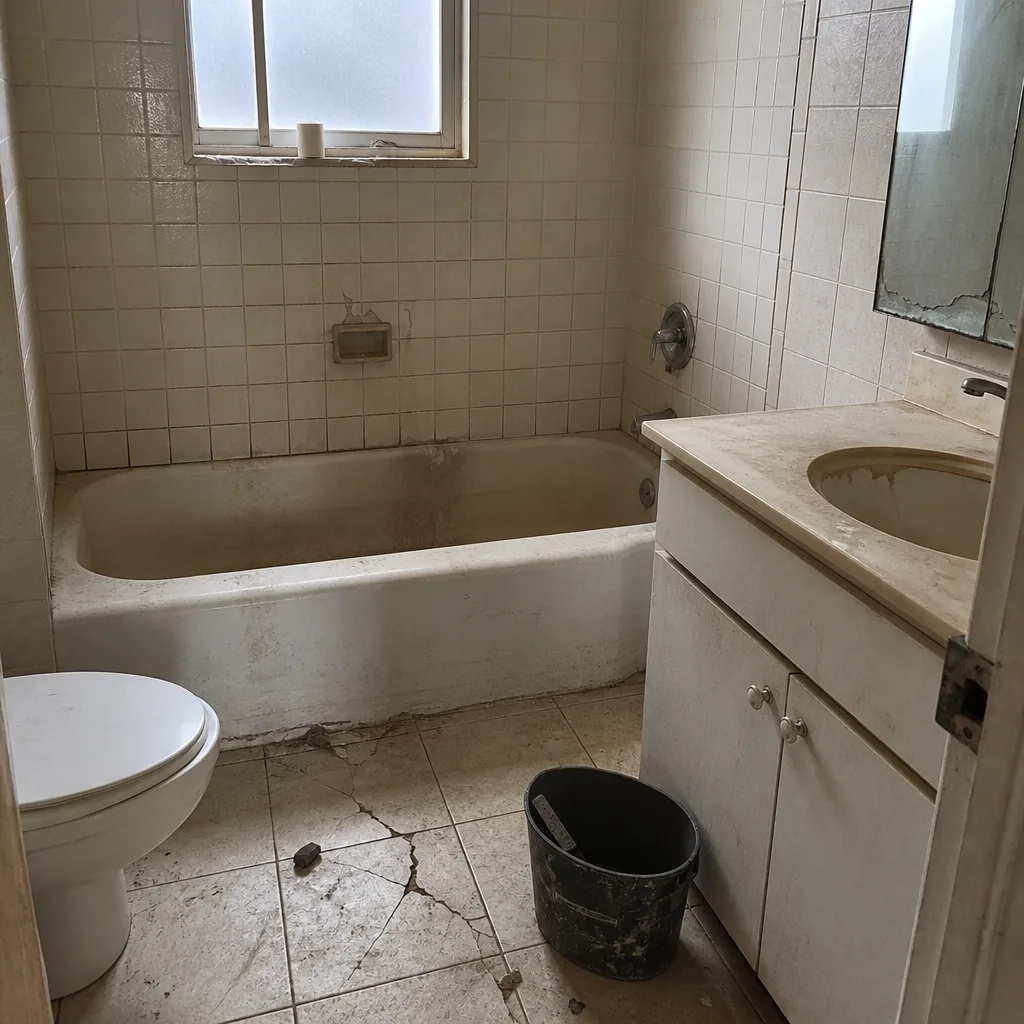
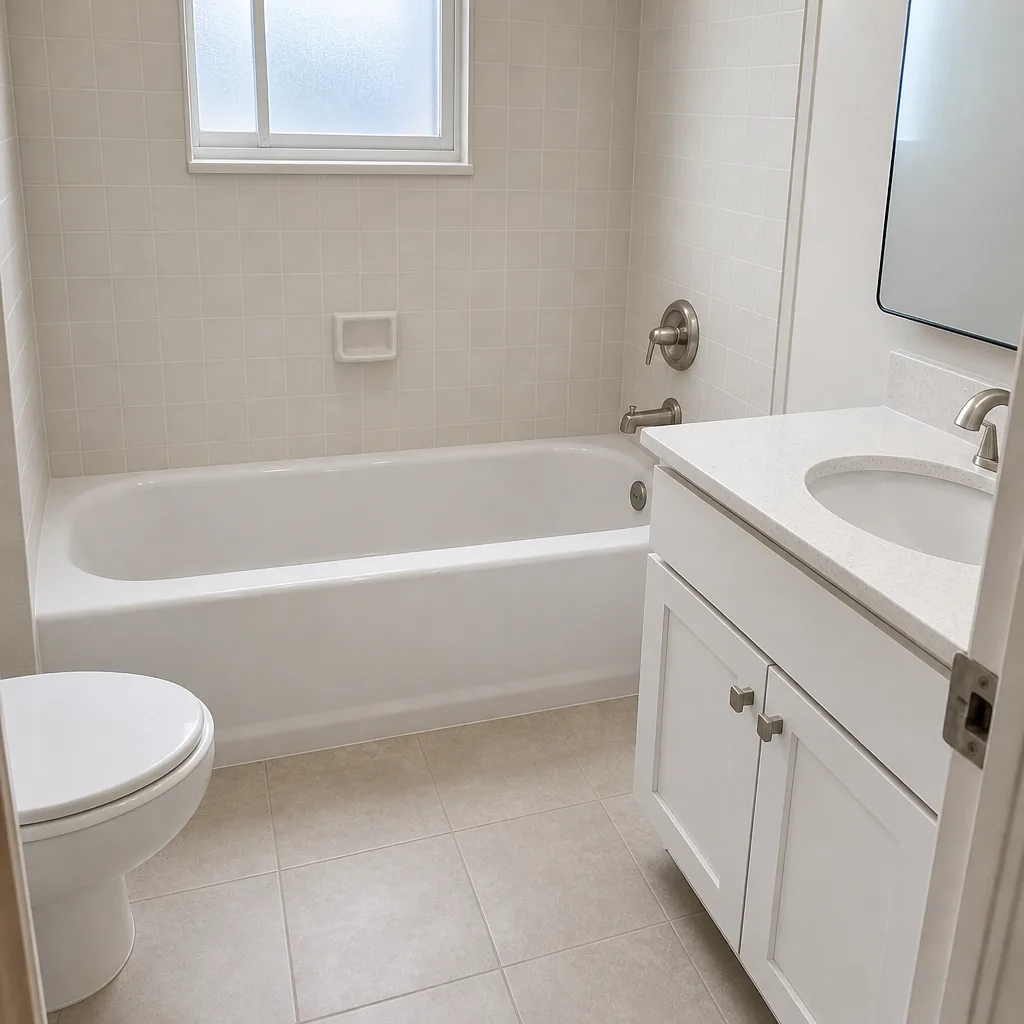
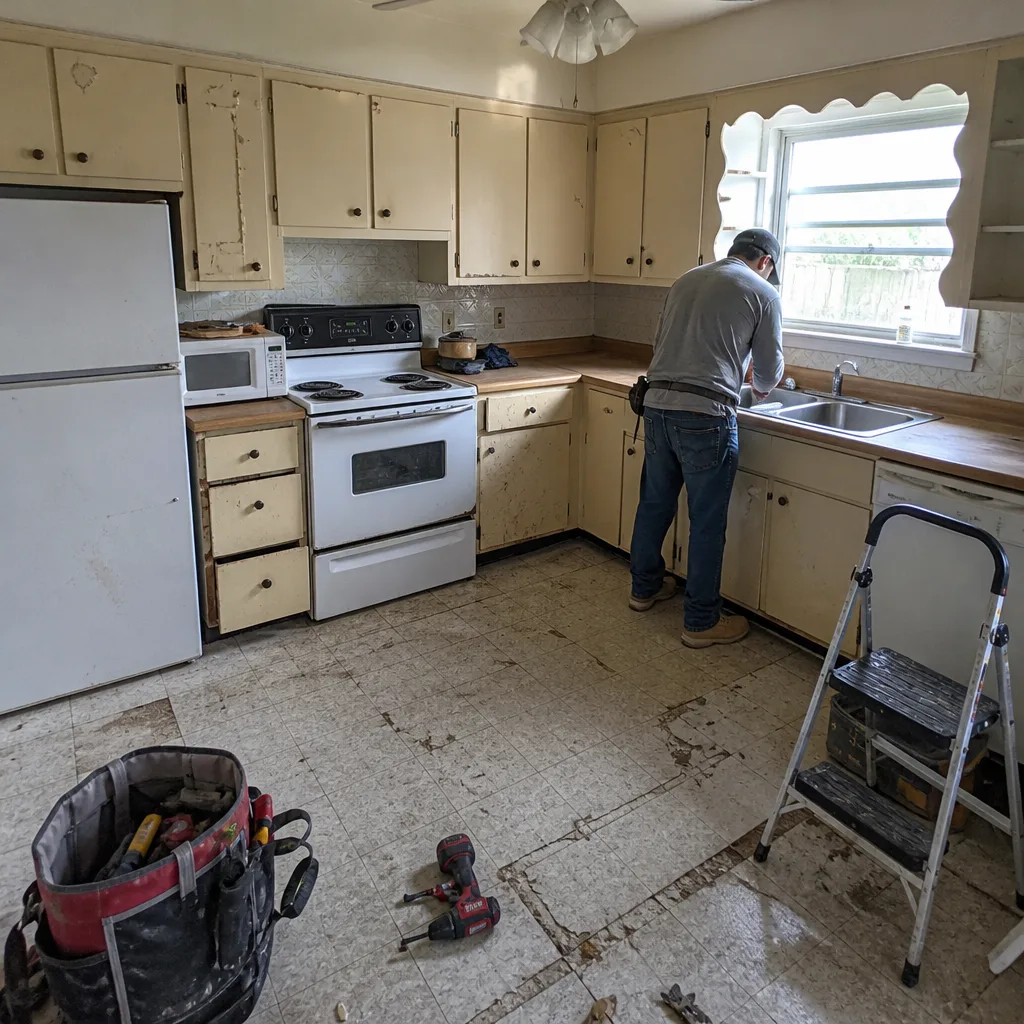
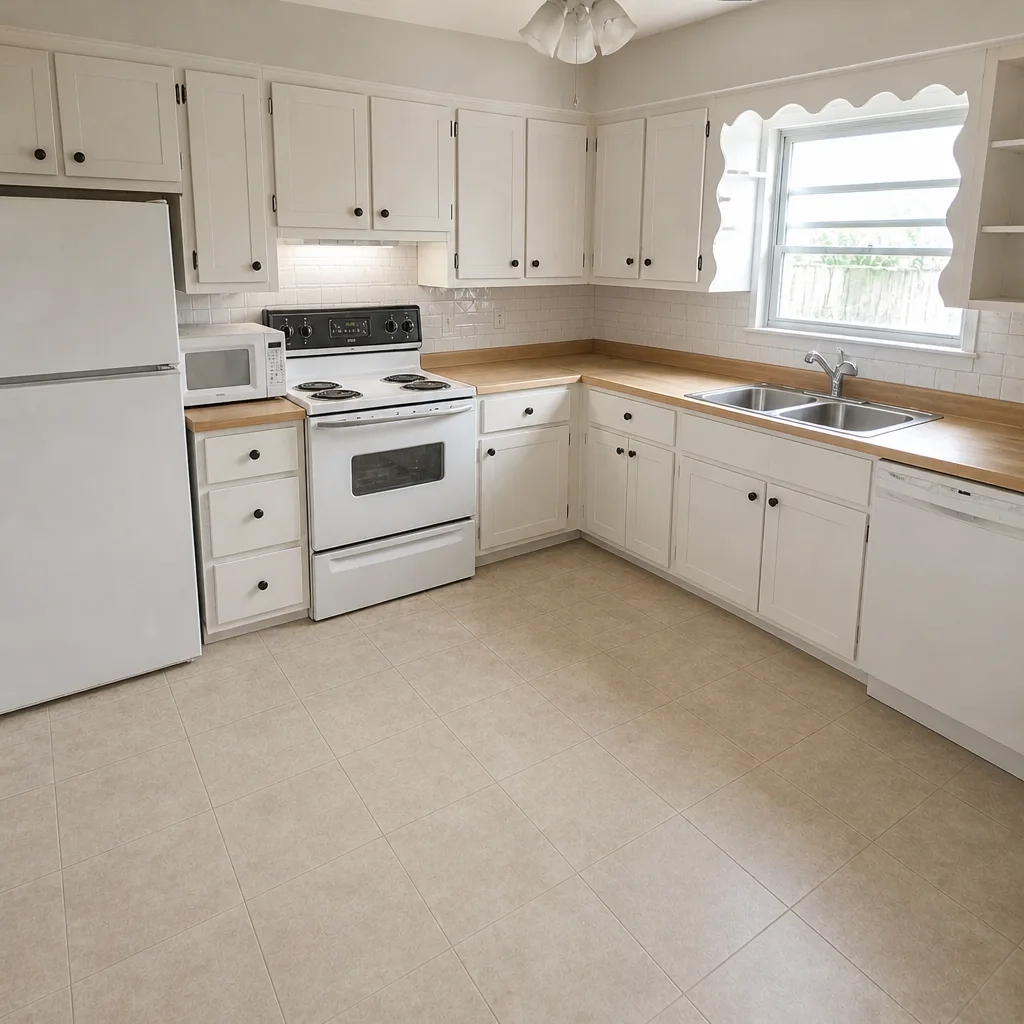
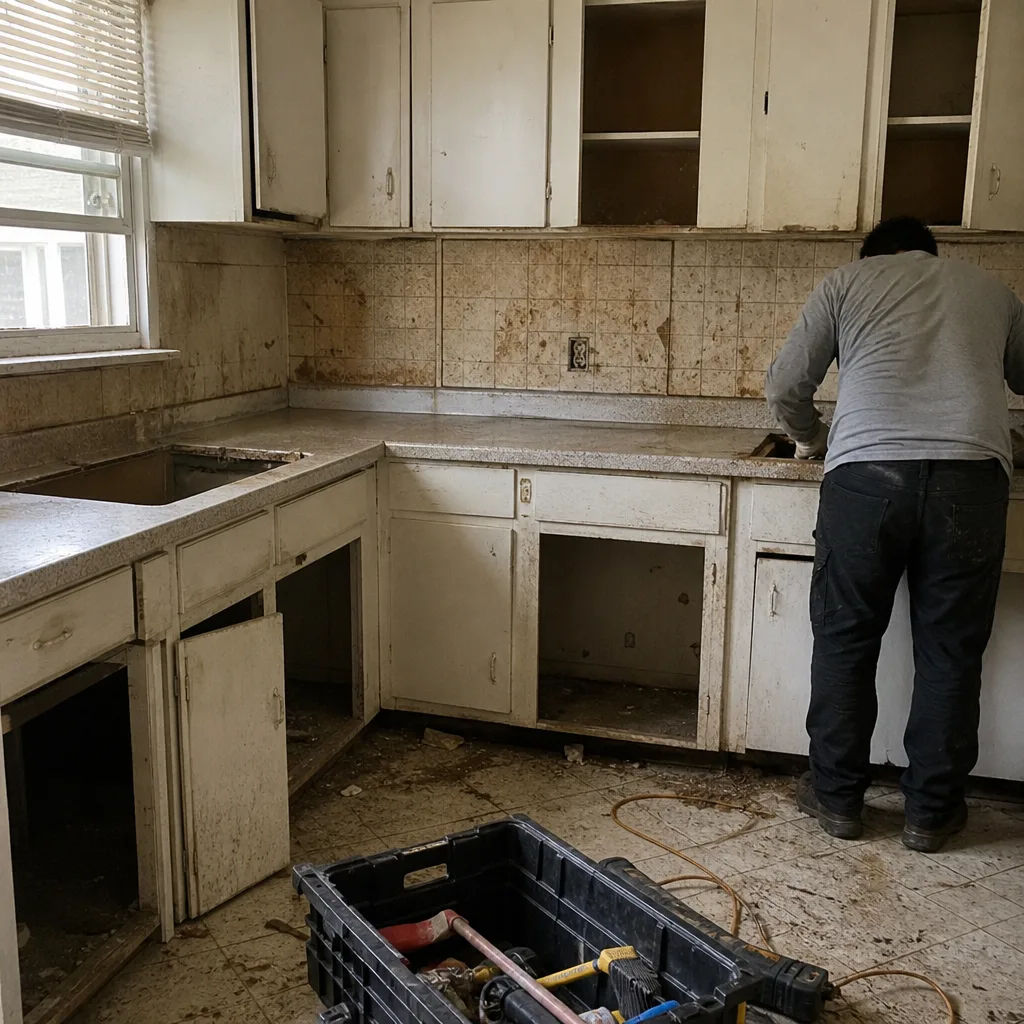
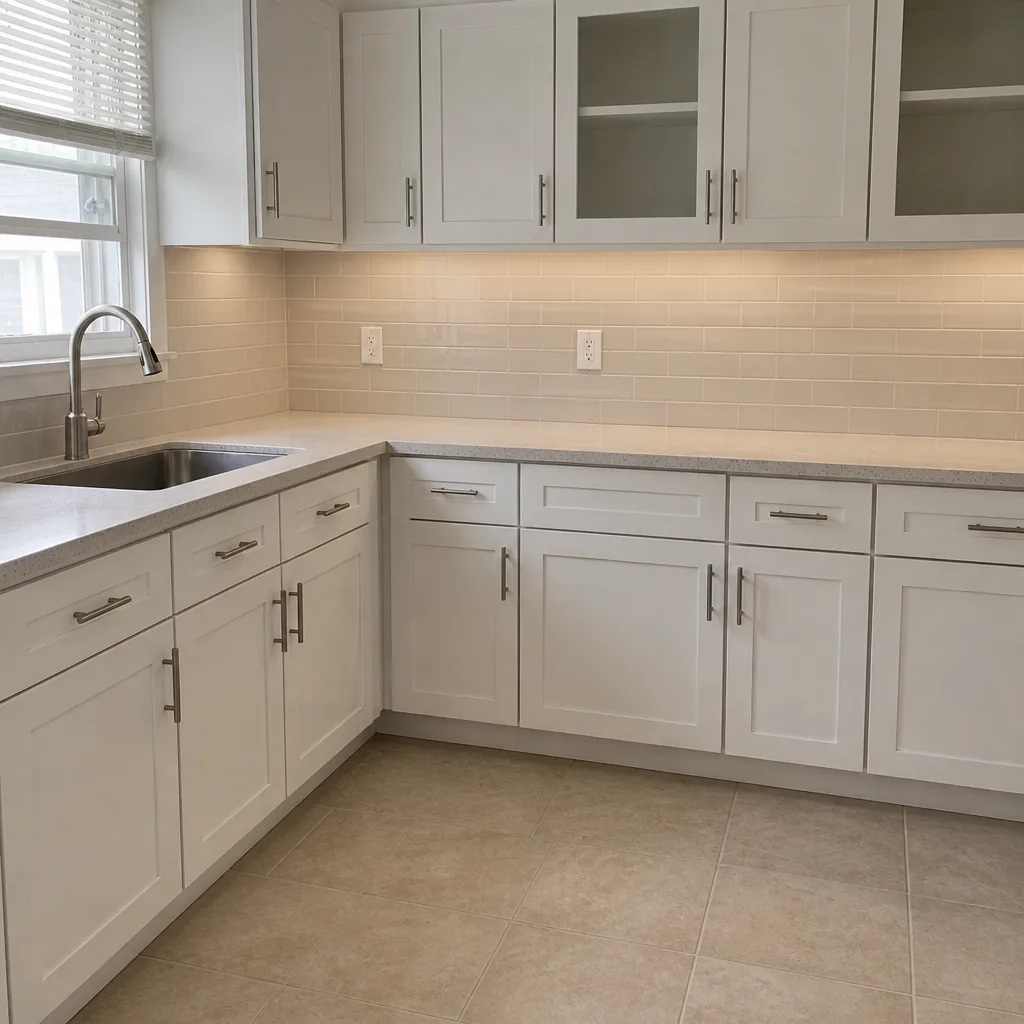
See the difference
 Before
 After
 Before
 After
 Before
 After
When to Call a Professional
Some jobs are obvious calls. Anything structural, anything that touches the electrical panel or gas line, and anything with a permit requirement is a professional job. So is a roofing replacement, a window and door package, a kitchen or bathroom gut remodel, an addition, an ADU, and a paver or hardscape build. What’s less obvious is what to do when a project is complicated by coordination: a phased renovation, a storm-damaged exterior that touches several trades, or a home addition that needs a deck, a fence, and a driveway too. Those are the projects where having one contractor and one contract is worth real money. North Miami Construction offers free estimates in North Miami, and we’ll walk your scope before you commit to anything. Call (855) 842-6980.
Frequently Asked Questions

Use Florida’s DBPR licensing portal, search by the individual or business name, and read the full record: status, class, and complaint history. “Active” doesn’t automatically mean in good standing, so open the complaint history and check the dates. Save a dated screenshot of what you find.
General liability and workers’ compensation are the two that matter. Ask for a Certificate of Insurance, check the named insured, coverage limits, and expiration date, and call the carrier to confirm the policy is active. If the contractor can’t produce a certificate, don’t start the job.
There’s no honest single number, because scope, materials, and permit requirements drive the total. What we can tell you is that the written estimate sets the final price, and a line-item scope is the only way to compare bids fairly. Call (855) 842-6980 for a free estimate and a written scope.
Not if the scope is complete and the contract has a substitution clause and a written change-order process. Any change should be itemized and approved by you before the work happens. If a contractor won’t agree to that, they’re telling you the price will move.
Yes. Permit responsibility should be named in writing in the contract, including who pulls it and who pays for it. If a contractor won’t agree to that, the permit isn’t handled.
Every project has a different timeline depending on scope, materials, and inspection scheduling. A written completion date, with a defined process for delays, is the protection that matters more than any estimate. Call (855) 842-6980 and we’ll talk you through your specific scope.
The Bottom Line
Hiring a contractor in North Miami comes down to doing the checks before the conversation, not after. Verify the license in the DBPR portal and read the whole record. Get the insurance certificate and confirm it with the carrier. Ask which brands the contractor specifies and why. Match the license class to your scope. Treat post-storm door-knocking and assignment-of-benefits pressure as the red flags they are. Then write a contract with draws tied to inspection milestones, a written change-order process, and a lien-waiver on every draw. Do those things and most bad fits filter themselves out before you ever compare prices. That’s how a project gets built right the first time.
Ready to start? North Miami Construction offers free estimates across every layer of your home. Whether it’s a driveway & pavers project, a new fence installation, or a full home additions & ADU build, one contractor handles it all. Call (855) 842-6980 for your free estimate. We answer 24/7. Fast dispatch from 7am to 7pm, Sunday through Friday.
Written by the team at North Miami Construction.