Last updated November 18, 2026






Free written scope consultation - allowances, timeline, and change-order rules on paper before a single trade is scheduled
Construction Permits, Codes & Inspections in North Miami, FL: What You Need to Know
Most homeowners assume an unpermitted addition or roof replacement in North Miami is a paperwork problem you fix later with a fee. It isn’t. It’s an insurance problem. In a named-storm market, a carrier can decline a claim on work that never went through the building department, which leaves you personally absorbing a loss that should have been covered. The flip side is just as true: if you know what triggers a permit, what doesn’t, and how to sequence your project, the North Miami process moves more smoothly than you’d expect. This guide covers the triggers, the High-Velocity Hurricane Zone rules, timelines, tie-down inspections, and how permit records play out at resale.
Quick Answer
In North Miami, structural work, additions, roof replacements, window and door replacements, new driveways, fencing over the height limit, and most electrical, plumbing, and mechanical changes all require permits under the Florida Building Code. Inspections are checkpoints that protect your insurance coverage as much as your safety, and skipping them is the single most expensive shortcut a homeowner can take. Pull the permit, keep the record, and your project holds its value and its insurability.
Styles & brands we work with
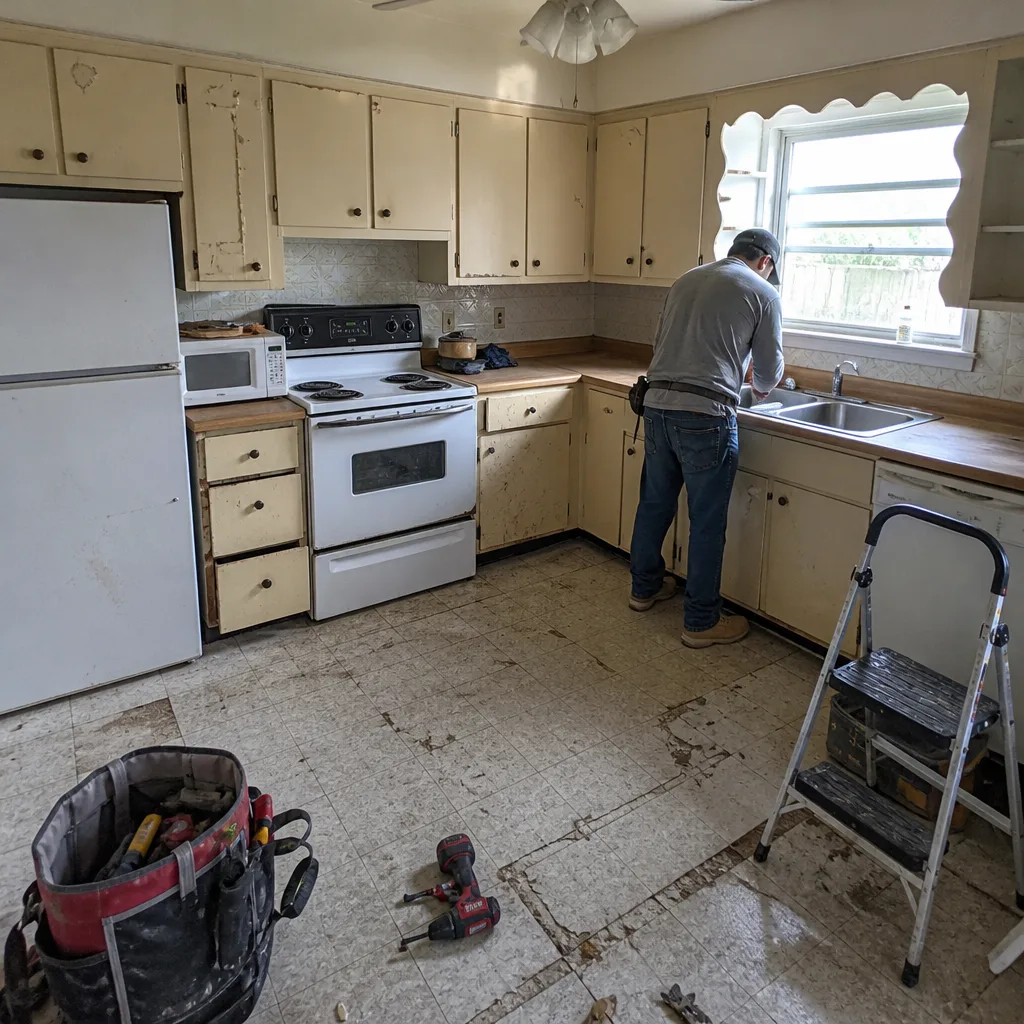
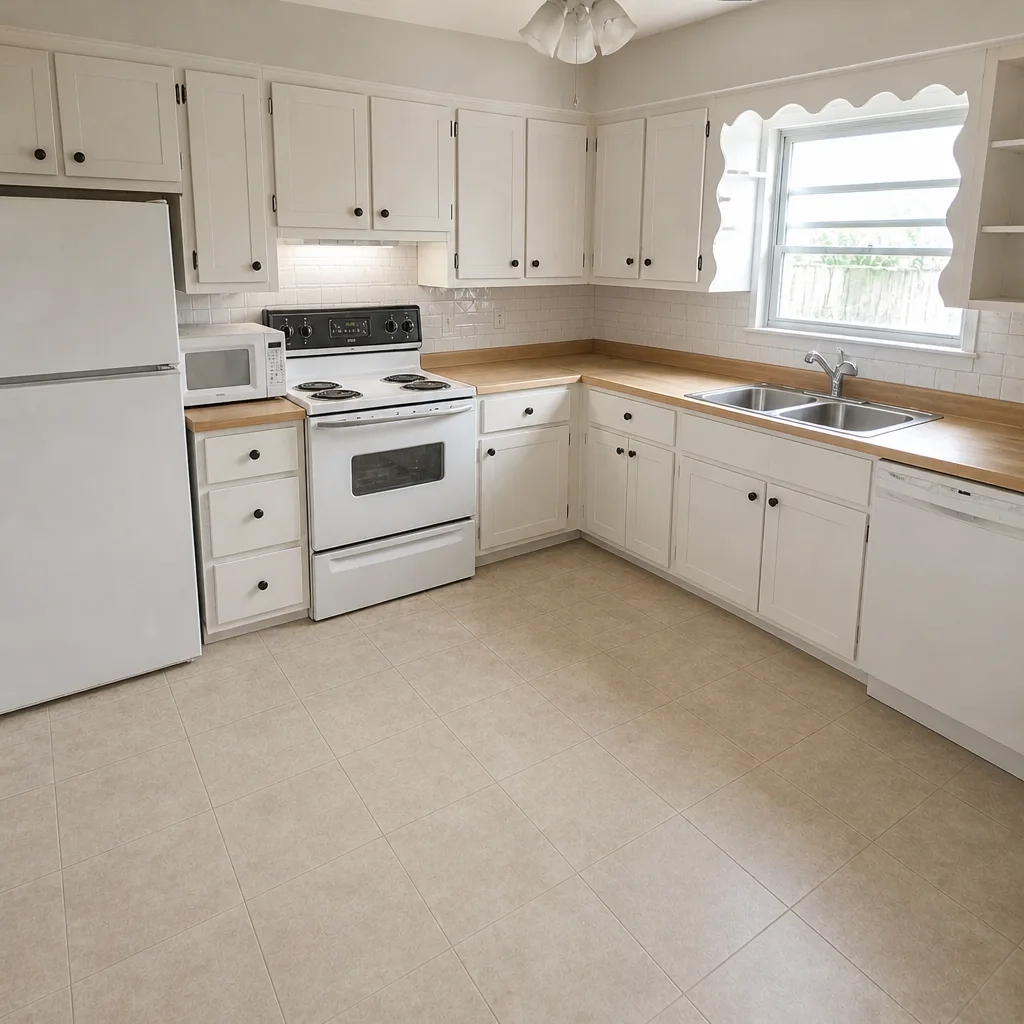
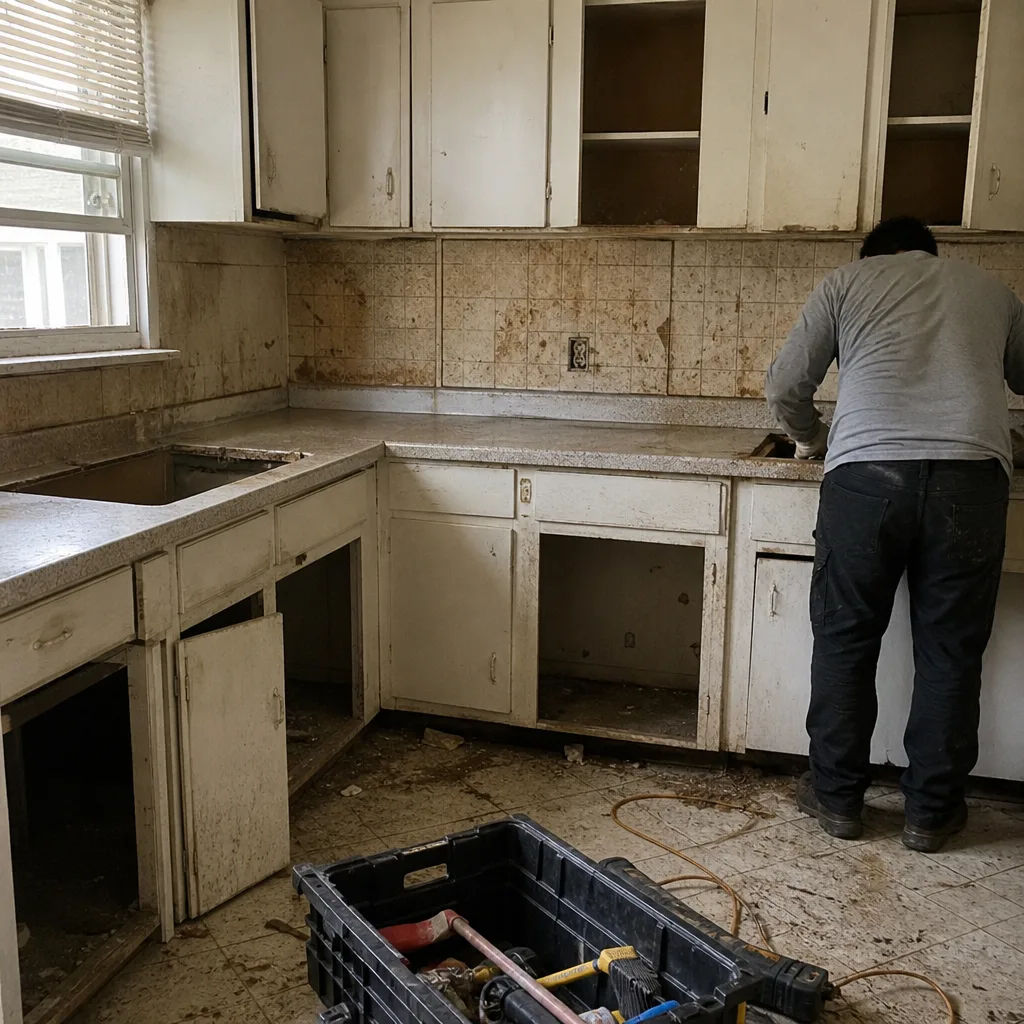
- Kitchen remodeling
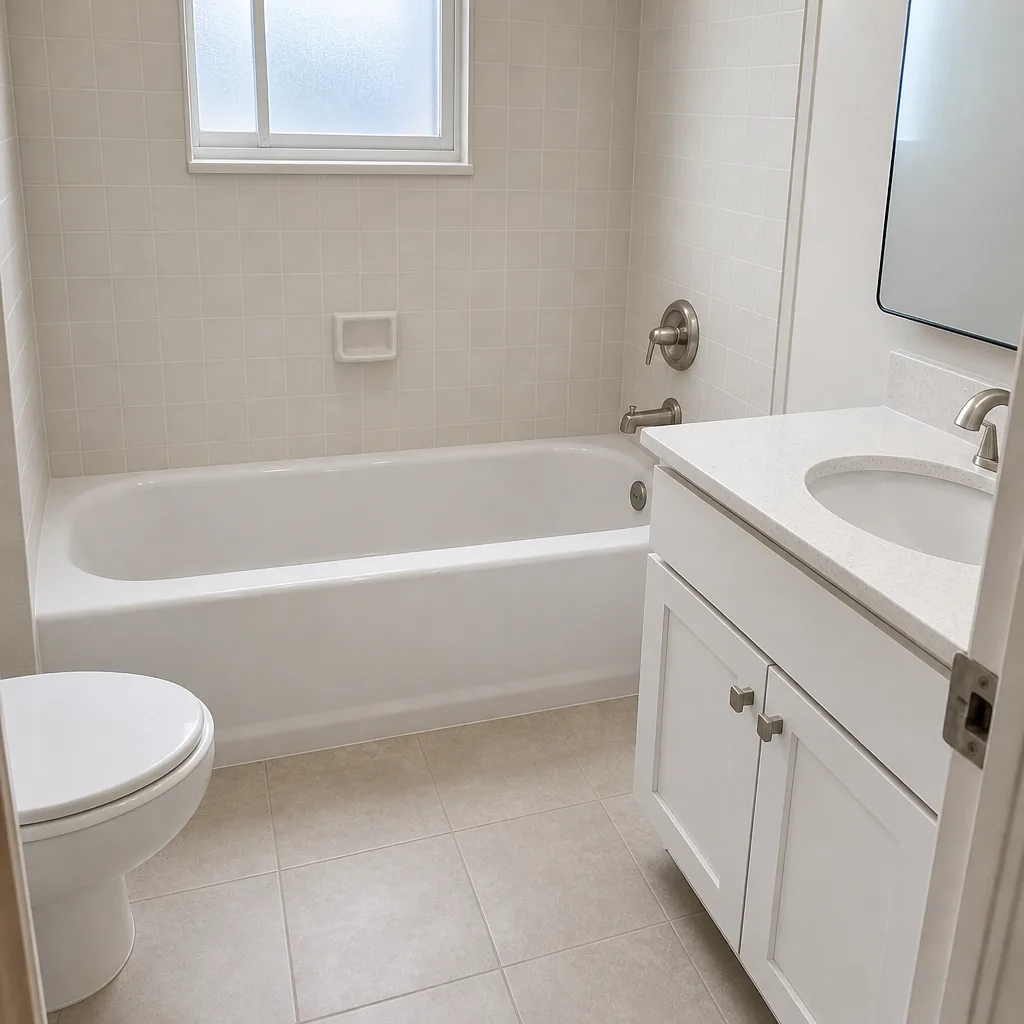
- Bathroom remodeling
- Home additions & ADU
- Roofing
- Windows & doors
- Driveway & pavers
- Fence
Table of Contents
- What Needs a Permit in North Miami (and What Doesn’t)
- The High-Velocity Hurricane Zone and What Inspectors Actually Check
- The Roof Replacement Threshold Homeowners Get Wrong
- The Realistic Permit and Inspection Timeline
- Strapping and Tie-Down Inspections: Why They Matter
- Permit Records, Resale, and What Buyers’ Attorneys Look For
- How to Structure a Project So Inspections Work for You
What Needs a Permit in North Miami (and What Doesn’t)
Here’s the short version: if the work affects the structure, the building envelope, the electrical, the plumbing, or the mechanical systems, it needs a permit. If it’s cosmetic and surface-level, it usually doesn’t. The confusion comes in the middle, where a lot of projects live.
The following work requires a permit in North Miami:
- New home additions, including home additions & ADU projects and detached accessory units
- Full roof replacements and any roof work that changes sheathing, underlayment systems, or structural framing
- Replacing windows and doors, including impact-rated units, when the opening size or anchoring changes
- New driveway & pavers work where the driveway connects to the public right-of-way, and any new hardscape that alters drainage
- New fence installation above the height threshold, and any fence in a right-of-way or easement
- Kitchen and bathroom remodels that move plumbing, relocate electrical, or add or remove walls
- Any electrical panel change, circuit addition, or service upgrade
- Water heater replacement, and any gas line work
What typically doesn’t require a standalone permit: repainting, replacing cabinets and countertops without moving plumbing or gas, swapping fixtures like-for-like, installing flooring, and cosmetic trim work. Those still need to meet code, but you’re not pulling a permit for a countertop swap.
The word that trips people up is “like-for-like.” A same-size window replacement in the same opening can sometimes move quickly through review, but that’s a judgment made by the building department, not by the contractor. Ask before you assume. In our experience, the homeowners who get burned in North Miami are the ones who accept “we don’t need a permit for that” without checking.
The High-Velocity Hurricane Zone and What Inspectors Actually Check
North Miami sits inside the Florida Building Code’s High-Velocity Hurricane Zone, which is the code’s term for the most wind-exposed parts of the state. Practically, this means every product that forms part of the building envelope – windows, doors, roofing, shutters – has to carry a product approval that meets the HVHZ standard, and the inspector is going to look for the documentation.
Here’s what an inspector typically wants to see on a North Miami project:
- Product approval numbers matching the item installed. Every impact window, door, and roofing assembly has an approval number tied to the code.
- Installation instructions from the manufacturer on site, because the anchoring method is part of the approval.
- Fastener schedule and spacing matching the approved drawings – not the crew’s judgment.
- Underlayment and flashing details for roofing, photographed before the finished surface goes on.
- Affidavit or certification where the code requires one from the installer.
For windows and doors, this is part of why we work with impact-rated lines like PGT and CGI. Those products come with the documentation trail that North Miami inspectors expect, and the paperwork matches the product installed. It’s not an upsell – it’s the difference between passing inspection the first time and tearing out a finished wall because the approval number doesn’t line up.
One thing to be clear-eyed about: the energy and structural performance of a window is only as good as its installation. The inspector is checking the anchor, not the glass. A premium product installed with the wrong fasteners fails, and that’s the inspection that gets missed when a homeowner hires the cheapest bid.
The Roof Replacement Threshold Homeowners Get Wrong
Every roof replacement in North Miami requires a permit, no exceptions. There is no “small enough” replacement that skips the building department. The threshold question isn’t whether to permit it – it’s what scope change triggers a full re-deck versus a surface-over.
Miami-Dade code and the Florida Building Code limit how many times a roof can be recovered (a new layer over the existing one) before the entire assembly has to come off down to the sheathing. When a homeowner inherits a house that’s already been recovered once, the next replacement is a tear-off. That’s a bigger job, a bigger permit scope, and a different inspection sequence. It’s also a good thing – a full tear-off lets the inspector see the decking and the attachment, which is where a storm-loaded roof actually fails or holds.
The costly mistake is a homeowner being talked into a surface-over to save money. In a named-storm market, that shortcut can affect your insurance eligibility, not just your roof’s lifespan. Carriers ask for the roof permit and inspection record when they underwrite. If your roof was recovered without a permit, or recovered past the allowable limit, you may find yourself shopping for coverage at a bad moment.
For roofing, we work across GAF, CertainTeed, Owens Corning, IKO, Atlas, Tamko, and Boral shingle lines. The reason isn’t brand loyalty – it’s that each of those lines carries the HVHZ approvals and warranty structures that North Miami inspectors and insurers recognize. You choose the product; we make sure the approval documentation and installation sequence match what the code expects.
The Realistic Permit and Inspection Timeline
How long a permit takes in North Miami depends on scope, and no honest contractor will give you one number for every job. What you can count on is a sequence. Here’s a realistic picture of how it usually goes:
- Application and plan review. Simple projects like fence installation or a driveway go through a shorter review than an addition or a full kitchen remodel with plumbing relocation. Plan review timing varies with the building department’s caseload.
- Permit issuance. Once plans are approved and fees are paid, the permit is issued and work can begin.
- Rough-in inspections. Framing, electrical, plumbing, and mechanical get inspected before walls close. This is where “we’ll do it next week” from a contractor is a red flag.
- Pre-cover inspections. For roofing and windows, the inspector checks the assembly before the finished layer goes on.
- Final inspection and Certificate of Occupancy. On additions and remodels, the final inspection confirms the work matches the approved plans. The CO is the document that makes the addition legal for resale and insurable.
The biggest variable isn’t the building department. It’s the contractor’s schedule. A crew that runs too many jobs at once leaves your project sitting between inspections, and each idle week is a week of lost progress. In our experience, sequencing and predictable scheduling matter more to your timeline than anything else in the process.
If your project depends on an inspection date you can’t move – a closing date on a home sale, for example – say so up front. It changes how we plan the job.
Strapping and Tie-Down Inspections: Why They Matter
Strapping and tie-down inspections look bureaucratic. They’re actually one of the best material guarantees you can get on a Florida home. The inspection confirms the roof-to-wall and wall-to-foundation connections are anchored to the code’s wind-load requirements – which is the difference between a roof that survives a storm and one that peels off.
Why it matters beyond code compliance:
- Insurance underwriting. Many Florida carriers ask about wind mitigation features, and a completed strapping inspection is documentation of the home’s resistance to wind uplift.
- Roofing. Tie-down inspection confirms the roof system is anchored per the approved plans, not per the crew’s estimate of “close enough.”
- Additions. A new addition needs its framing anchored to the existing structure per code. The tie-down inspection confirms the connection, not the size of the addition.
Strapping work is structural and it’s a place where shortcuts are invisible until a storm. If a contractor tells you the strapping “looks fine” without opening the attic, walk away. A proper tie-down inspection requires the inspector to physically access the connections.
We pass these inspections because we plan for them. That’s a phrasing we mean: the inspection is a quality checkpoint, not a bureaucratic delay. If your crew’s installation doesn’t match the plan on the first try, the issue is the crew, not the building department.
Permit Records, Resale, and What Buyers’ Attorneys Look For
The single most valuable thing you can do after a completed permit is keep the record. Permit history is public, and a buyer’s attorney will pull it before closing. What they find – or don’t find – can affect your sale price, your timeline, and in some cases whether the deal closes at all.
Where to pull permit history for a North Miami property:
- The city’s building department, which keeps the permit record, inspection record, and Certificate of Occupancy
- The county property appraiser’s public records, which show square footage and structural changes
- Your own closing documents from when you bought – permits pulled by the prior owner
What unpermitted work looks like on a property record: square footage that doesn’t match the appraiser’s data, a “finished room” or “den” that was originally a garage and hasn’t been through a change-of-use permit, or a roof replacement with no record of inspection. Buyers’ attorneys flag these, and the conversation turns into a price reduction request, a demand for the seller to retroactively permit the work, or in the worst case a walk-away.
For a seller, the fix is simple: permit the work before you list. A retroactive permit on an unpermitted addition or a change of use can usually be obtained, but it means inspections of already-finished work and possibly opening walls. It’s less painful than losing a sale, and it’s cheaper than a buyer’s attorney-imposed price cut at the closing table.
If you’re in the process of buying a North Miami property with a “renovated kitchen” that has no permit on record, ask to see it before you close. Kitchens and bathrooms that moved plumbing without a permit are the most common puzzle we’re asked to untangle. Our North Miami Construction team has walked through enough of these to know what to check before escrow ends.
How to Structure a Project So Inspections Work for You
The homeowners who get through the North Miami process smoothly aren’t lucky – they sequence the work. Here’s how to structure a project so the building department becomes a checkpoint that protects your money instead of a bottleneck.
- Decide the scope before you apply. Changing scope mid-review restarts the clock. Lock the design, the products, and the finish schedule before the permit application goes in.
- Get product selections committed early. Windows, roofing, and kitchen cabinetry approvals all need to match the permit. Choose from driveway & pavers to kitchen countertops – Wellborn cabinetry, Cambria or Caesarstone surfaces – before plan review, not after.
- Sequence inspections so no trade waits on another. Rough-in inspections before walls close, pre-cover before the finished layer. The order isn’t optional; it’s what keeps the project moving.
- Keep the paperwork in one place. Every approval, inspection card, and Certificate of Occupancy belongs in a project folder you keep for resale.
- Walk the finished work before final inspection. A short punch-list walk before the inspector arrives saves a re-inspection.
We pay attention to this sequencing because it’s where projects actually fail. A roof replacement that goes in before window opening sizes are confirmed means a second permit, a second inspection, and a frustrated homeowner. One contractor running every layer of a home – from the driveway to the roofline – makes that sequencing someone’s actual job instead of something that falls between trades.
Common Mistakes to Avoid
- Skipping the permit to save time. The weeks you save come back as a stalled sale, a denied claim, or a retroactive permit that requires opening finished walls. In a named-storm market, the downside of a skipped permit is a loss you absorb personally.
- Trusting “we don’t need a permit for that.” The threshold for windows, roofing, and additions in North Miami is set by the building department, not by the contractor’s opinion. Confirm before work starts.
- Recovering a roof past the allowable limit. Miami-Dade and Florida Building Code rules cap recoveries. A surface-over that skips the permit or violates the limit affects insurance eligibility, not just the roof’s lifespan.
- Installing impact windows without the approval documentation on site. The HVHZ inspection checks the approval number and anchoring method. If the documentation isn’t there, the product comes out.
- Letting a finished kitchen or bathroom remodel end without a final inspection. The final inspection and Certificate of Occupancy are what make the work legal and countable at resale. Skipping them costs you.
- Trusting a contractor who won’t put the permit in writing. The scope, the products, the inspection schedule – all of it belongs in the written estimate before work begins. A verbal promise isn’t a permit.
- Buying a North Miami home without pulling the permit record. Buyers’ attorneys check. You should check before them.
See the difference
 Before
 After
 Before
 After
 Before
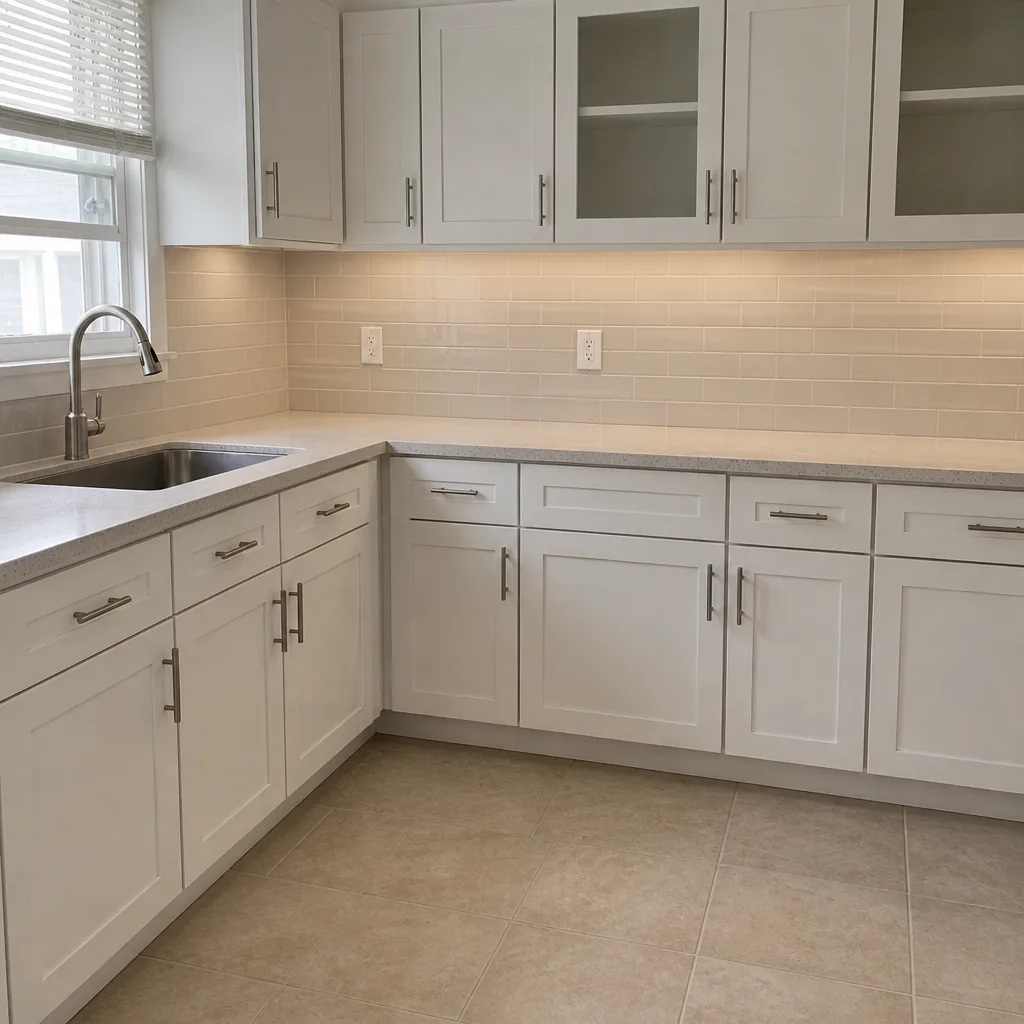 After
When to Call a Professional
Some work is a phone call and a screwdriver. The rest is a permit, an inspection schedule, and a licensed trade. Call a professional if you’re replacing a roof, swapping windows or doors, building an addition or a detached ADU, moving plumbing in a kitchen or bathroom, installing a driveway or fence at the right-of-way, or doing anything that requires strapping and tie-down inspections. Also call if you’re about to buy a North Miami property with a “renovated” room that has no permit record – an untangled permit history is worth a professional walk-through. We work across seven categories under one roof, so you’re not coordinating a roofer, a window crew, and a driveway contractor on the same inspection calendar.
North Miami Construction offers free estimates in North Miami – call (855) 842-6980. We answer 24/7. Fast dispatch from 7am to 7pm, Sunday through Friday.
Frequently Asked Questions
Yes. Every roof replacement in North Miami requires a permit, even a same-size replacement. There is no size threshold that lets you skip the building department, and the inspection is what protects both your coverage and your resale. Call (855) 842-6980 to talk through your roof scope – the estimate is free.
The permit is the legal authorization to do the work; the inspection is the check that the work was done per the approved plans. You need both: the permit without the inspection leaves the work legally incomplete, and a finished project without a Certificate of Occupancy can cost you at resale. Ask the building department for the inspection card at issuance so you know what’s required.
It depends on scope – a fence or driveway moves faster than an addition or a kitchen remodel with plumbing relocation, and plan review timing varies with the department’s caseload. What you can control is how fast plan review moves: commit your products and scope before you apply. Call (855) 842-6980 for a scope-specific estimate.
Yes. Both require a full permit with plan review, inspections, and a Certificate of Occupancy at the end. For prefab and modular ADUs, the review includes the manufacturer’s documentation alongside the site-built portions. Our home additions & ADU work has gone through those reviews more times than we can count – the sequencing matters more than people expect.
The HVHZ is the Florida Building Code’s designation for the most wind-exposed parts of the state, and North Miami is inside it. Every component of the building envelope – windows, doors, roofing – must carry a product approval that meets the HVHZ standard, and the inspector checks the approval number and the anchoring method. Product choice isn’t a marketing decision in North Miami; it’s a code requirement.
You can list it, but a buyer’s attorney will pull the permit record and flag anything without a permit. The result is usually a price reduction, a demand to permit the work retroactively, or a lost deal. It’s simpler and cheaper to permit the work before listing. If you’re unsure what’s on the record, call (855) 842-6980 for a walk-through.
It can. In a named-storm market, carriers underwriting a Florida home will ask about the roof permit and wind mitigation features. Unpermitted structural work or an unpermitted roof replacement can affect eligibility or a claim. The permit is insurance you’ve already paid for – pull it.
The Bottom Line
North Miami’s permitting process isn’t the obstacle most homeowners fear. It’s a sequence: figure out what triggers a permit, commit your products and scope early, sequence the inspections, keep the record, and finish with a Certificate of Occupancy. What costs money is skipping the permit – not the permit itself. In a named-storm market, the permit record is your proof that the work on your home is insurable and countable at resale. If you’re planning a North Miami project and want to structure it so inspections protect your investment instead of delaying it, our team can help. From the first scope conversation to the final inspection, you choose the brand and we handle the rest.
Call (855) 842-6980 for a free estimate. We answer 24/7. Fast dispatch from 7am to 7pm, Sunday through Friday. Written line-item estimates, permits pulled with inspections passed, and fixed pricing – so the number on the estimate is the number on the invoice.
Written by the team at North Miami Construction.