Last updated November 18, 2026
Free written scope consultation - allowances, timeline, and change-order rules on paper before a single trade is scheduled
Construction Cost Breakdown: The North Miami Homeowner’s Reference for 2026
A quote that lands several thousand dollars under everything else you’ve collected is rarely a bargain. In this market it’s almost always a materials story, and the line item that got trimmed is the one you’ll never see unless you know how to read a bid. The gap between a Miami-Dade approved shingle system and a standard product runs roughly $1.50 to $3.00 per square foot, and that difference hides in every low number that doesn’t spell out product specifications.
This reference breaks down what construction actually costs in North Miami in 2026, why impact ratings and permit compliance are baked into the price, and how to tell a lean bid from a cut one.
Quick Answer
Most major residential projects in North Miami in 2026 run from roughly $18 to $45 per square foot for driveways and pavers, $6.50 to $14 per square foot for roofing depending on material tier, and $180 to $350 per square foot for additions and ADUs. The widest cost swing between any two bids on the same job comes from material grade and code compliance, not labor – which is why a written, line-item estimate that names products is the only way to compare quotes fairly.
Styles & brands we work with
- Kitchen remodeling
- Bathroom remodeling
- Home additions & ADU
- Roofing
- Windows & doors
- Driveway & pavers
- Fence
Table of Contents
- Why North Miami Construction Costs Read Differently From National Averages
- What Does a Roof Replacement Cost in North Miami?
- What Do Driveways and Pavers Cost in North Miami?
- What Does Exterior Stucco Cost in North Miami?
- What Do Home Additions and ADUs Cost in North Miami?
- The Miami-Dade Premium: What Impact Ratings Actually Add
- Permit and Inspection Costs You Should Budget For
- Labor Cost Drivers Specific to North Miami
- How to Read a Contractor Bid and Spot Where Cost Was Cut
Why North Miami Construction Costs Read Differently From National Averages
National cost guides assume a generic house in a generic climate. North Miami isn’t generic. Four local forces bend every number on your estimate, and understanding them is the difference between budgeting accurately and getting surprised halfway through a project.
The first is product certification. Roofing, windows, and doors installed here have to meet high-wind standards that carry their own price tag, and that premium is not optional. The second is post-storm demand. When a weather event pushes through, material and labor prices climb across the region for months afterward, and lead times stretch. The third is permit compliance, which in North Miami means real fees and real inspection sequences that a contractor has to build into the schedule. The fourth is the material grade gap – the difference between what a low bid installs and what actually holds up through a South Florida decade.
Housing stock here shapes the work too. Much of North Miami is single-story block construction from the mid-20th century, which affects how additions tie in, how stucco adheres, and how much structural work a remodel actually needs once walls open up. A contractor who works these streets knows that a “simple” bathroom gut in a 1950s block home rarely stays simple.
Add the climate. Heat, humidity, and intense sun age exterior materials faster than most of the country experiences, which pushes homeowners toward premium tiers on roofing and exterior cladding not because they want the best, but because the middle tier doesn’t last here. That’s a cost driver no national guide captures.
What Does a Roof Replacement Cost in North Miami?
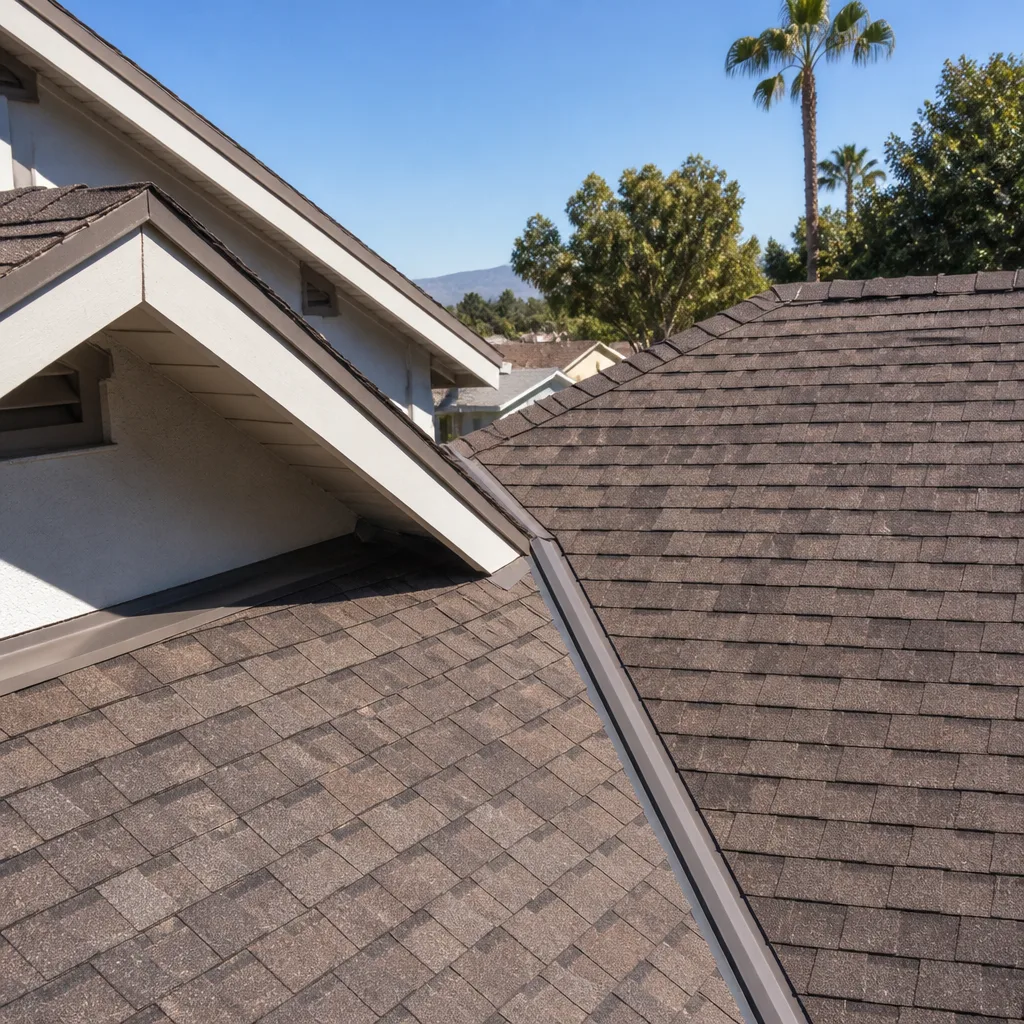
A full roof replacement in North Miami in 2026 typically runs $6.50 to $14 per square foot installed, which puts most single-family homes in the $9,000 to $28,000 range depending on size, pitch, and material tier. The tier you choose is the single biggest driver of that spread.
Here’s how the three tiers break down in product terms:
| Material Tier | Cost Per Sq Ft | What You’re Getting |
|---|---|---|
| Entry | $6.50 – $8.50 | Standard architectural shingle, basic underlayment, minimum code-compliant fastening |
| Mid | $8.50 – $11.00 | Premium architectural shingle from a major manufacturer, upgraded underlayment, enhanced wind fastening |
| Premium | $11.00 – $14.00 | Top-tier shingle systems or tile, full high-wind hardware package, upgraded ventilation and flashing detail |
The brands matter more than most homeowners expect. GAF, CertainTeed, and Owens Corning all make shingles across the entry-to-premium range, and the difference between a mid-grade shingle from one of those lines and an off-brand builder-grade product isn’t cosmetic – it’s the wind rating and the warranty terms. We install these systems regularly, and we can tell you exactly which tier holds up through a decade of South Florida sun.
Where bids diverge most is what’s underneath. A low quote often reuses existing underlayment, skips upgraded fastening, or leaves flashing and ventilation at minimum. None of that shows on the top of the roof, and all of it determines how the roof performs in the next high-wind event. When you get a quote, ask what underlayment is specified and what wind rating the completed assembly carries. If the answer is vague, the number is probably low for a reason.
What Do Driveways and Pavers Cost in North Miami?
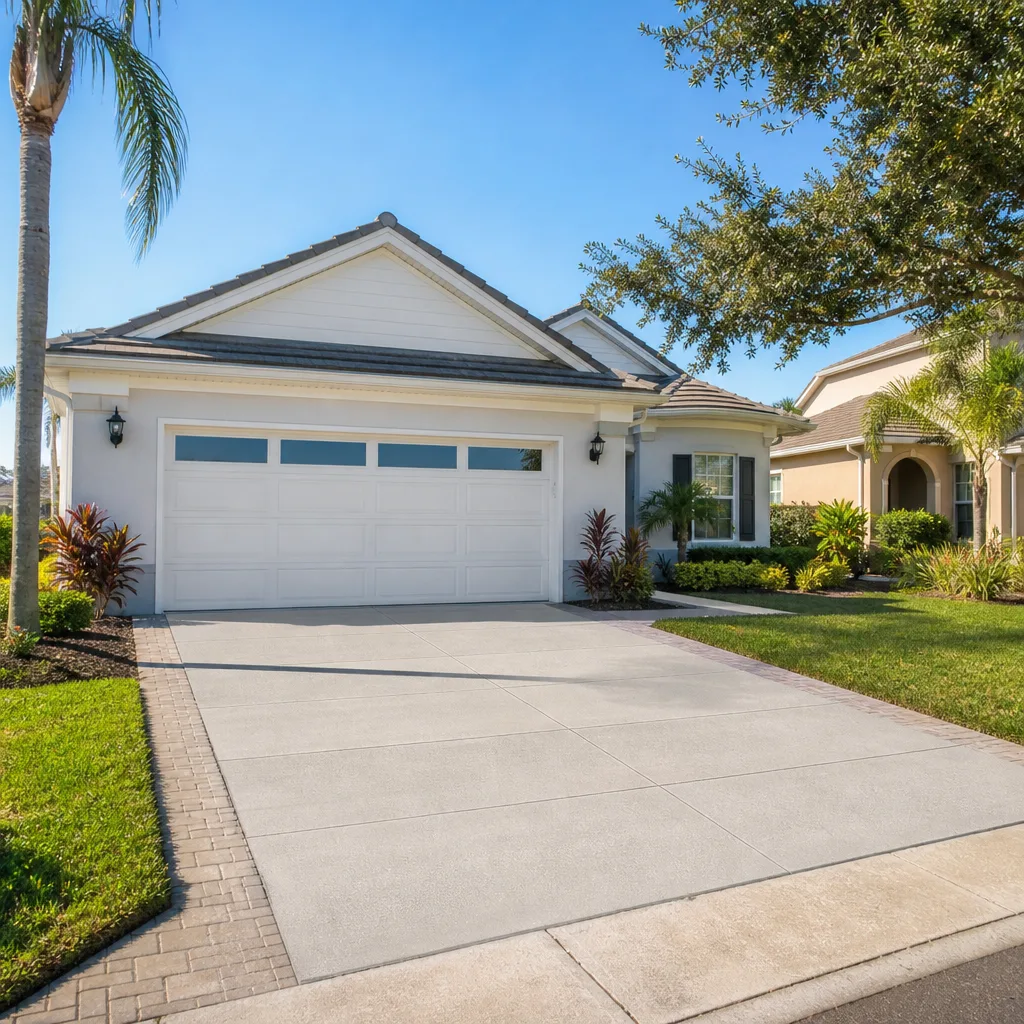
A paver driveway in North Miami in 2026 typically costs $18 to $45 per square foot installed, with the spread driven by paver type, base preparation, and edge restraint. Concrete runs lower at roughly $10 to $18 per square foot, but the two aren’t really comparable on lifespan or appearance.
Paver pricing breaks into three practical tiers:
- Entry ($18 – $24 per sq ft): Standard concrete pavers in a limited color range, straightforward running-bond pattern, standard base depth.
- Mid ($24 – $34 per sq ft): Interlocking pavers from a recognized manufacturer in a broader palette, tumbled or textured finish, proper base and edge restraint.
- Premium ($34 – $45 per sq ft): Large-format or design-driven pavers, complex patterns, upgraded base for high-traffic loads, detailed border work.
The part that’s easy to cut and expensive to skip is the base. A paver driveway is only as good as the compacted base under it, and in North Miami’s sandy soil with heavy summer rain, a shallow base leads to settling and shifting within a couple of seasons. A low bid that shrinks base depth by an inch or two saves real money on paper and costs you a rebuild later. Our driveway & pavers work starts with base preparation because that’s where the driveway actually lives or dies.
Material choice matters too. Belgard, Unilock, Tremron, Techo-Bloc, and Cambridge Pavers all make professional-grade products with different durability and finish characteristics. You choose the brand – we handle the rest, including making sure the product you picked is the product that gets delivered.
What Does Exterior Stucco Cost in North Miami?
Exterior stucco in North Miami in 2026 typically runs $8 to $16 per square foot installed, including surface preparation, scratch coat, and finish coat. It’s one of the most reliable exterior investments you can make here because stucco handles heat and humidity well – but only when it’s installed correctly.
Three factors swing the price:
Surface condition. Stucco over sound existing block or stucco is straightforward. Stucco over deteriorated or delaminating surfaces requires removal and repair first, which can add several dollars per square foot. On a mid-century block home, this is common.
Finish type. A standard sand-finish coat is the base cost. Textured or specialty finishes, integral color versus painted, and decorative detail all add. A painted finish needs repainting every several years; an integral-color finish holds longer but costs more upfront.
Scope of the project. A full-wall re-stucco is priced per square foot. A patched repair is priced per area and often has a minimum because mobilizing for a small repair costs nearly as much as a larger one.
Stucco pairs naturally with exterior cladding decisions, and if you’re renovating the exterior, James Hardie fiber cement is a popular complement for accent areas and trim. The key point for budgeting: stucco is a system, not a coating. A bid that treats it as paint is a bid that will crack within two summers.
What Do Home Additions and ADUs Cost in North Miami?
Home additions and ADUs in North Miami in 2026 typically run $180 to $350 per square foot for site-built construction, and prefab ADU platforms can land in a similar or somewhat tighter range depending on finish level and site work. A 400-square-foot ADU therefore lands roughly between $72,000 and $140,000 before site-specific costs.
Why the range is so wide:
- Foundation and site work. Sandy soil, drainage, and utility tie-ins vary block by block. Site work can add meaningfully to the per-square-foot number.
- Connection to the existing structure. A bump-out has to tie into an existing roofline and wall system. Matching a mid-century block home’s stucco and roof profile takes real detail work.
- Finishes. An ADU finished to rental standard costs less than one finished to primary-residence standard. Plumbing fixtures, countertops, and flooring are where you control that.
- Permit and engineering. Additions require structural engineering, plan review, and a longer inspection sequence than a cosmetic remodel.
Prefab and modular ADUs have changed the math here. Working with next-generation platforms like Abodu, Dvele, Mighty Buildings, and Boxabl, the structure arrives largely built, which shortens the on-site timeline and can firm up cost certainty. The site work, utility connections, and permitting still have to happen locally, and that’s where a contractor’s experience with these platforms matters. Our home additions & ADU work covers both paths, and we’ll tell you honestly which one fits your lot and your budget.
The Miami-Dade Premium: What Impact Ratings Actually Add
Impact-rated windows and doors add roughly 20 to 40 percent over standard products, and high-wind-rated roofing adds about $1.50 to $3.00 per square foot over a standard assembly. That premium is not a contractor upcharge – it’s the cost of products that meet the code and hold up in a high-wind event.
Here’s what the premium actually buys:
- Impact-rated glazing. Laminated or specially constructed glass that resists breaking under wind-borne debris, paired with reinforced frames and hardware. PGT and CGI both manufacture lines built for this environment.
- NOA-approved roofing. A roofing product with a current Notice of Acceptance means it has been tested for this wind zone. Products without one can fail inspection or fail in a storm.
- High-wind fastening hardware. The clips, straps, and fasteners that hold the assembly together when pressure builds. Often invisible after installation, always priced in.
Why this is non-negotiable: your permit won’t pass without products that meet the local wind requirements, and many insurers price policies around whether the home has impact-rated openings. A non-impact window may save you money at the register and cost you on both counts. We don’t cut this corner, and we’d encourage you to ask any contractor who quotes you a window or roof job exactly what rating their product carries in writing.
Impact-rated lines extend to doors as well. Therma-Tru makes entry door systems that pair with impact-rated glass, and PGT and CGI cover the window side. Our North Miami Construction team works with these products across full exterior renovations.
Permit and Inspection Costs You Should Budget For
Permit fees for North Miami projects typically run several hundred to a few thousand dollars depending on project value and scope, and they are a legitimate line item that belongs in your budget from day one – not a surprise tacked on later. The exact fee depends on valuation-based schedules set by the city and county.
Rough planning ranges to hold in mind:
- Roofing permit: typically a few hundred dollars.
- Driveway or paver permit: typically a few hundred dollars, higher if the work crosses a right-of-way.
- Window and door replacement: typically priced per opening, so it scales with the count.
- Bathroom or kitchen remodel: typically several hundred to over a thousand, depending on whether plumbing or electrical is relocated.
- Addition or ADU: the largest category, often running into the low thousands, plus separate review and inspection fees.
Every one of these projects also involves a sequence of inspections. A roof gets a dry-in inspection and a final. An addition gets foundation, framing, rough-in, and final. A bathroom gets rough plumbing and electrical before anything closes up. Skipping or compressing those steps is not a money-saving shortcut; it’s a liability that surfaces when you sell or when an inspector finally looks.
Ask any contractor directly: are you pulling the permit, and will the inspection record be on file under your name? If the answer is anything other than yes, the bid isn’t comparable.
Labor Cost Drivers Specific to North Miami
The gap between licensed and unlicensed labor in North Miami is significant enough that it explains most of the variance between a suspiciously low bid and a fair one. Licensed trades carry insurance, warranty obligations, and accountability; unlicensed work usually carries none of those, and the savings disappear the first time something fails.
Specialty trade markups apply where the work requires specific certifications or qualifications. In North Miami, that includes structural work on an addition, roofing that must meet the high-wind standard, and anything requiring engineering sign-off. Those trades cost more because they can do work that others legally can’t.
Seasonal demand is the other big variable. After a major weather event, demand for roofing and impact-window work spikes across the region, lead times stretch, and pricing adjusts upward. If you’re planning a storm-exposed project, getting on a schedule during a quieter window can steady your number.
Our technicians have up to 9 years of experience, and that experience is where the practical savings live: knowing which trades need to be sequenced first, which product substitution is a genuine equal and which is a downgrade, and how to avoid the rework that eats a budget. When insurance is part of the picture, we can work with your insurer on the scope so the paperwork doesn’t stall the job.
How to Read a Contractor Bid and Spot Where Cost Was Cut
A bid you can’t read is a bid you can’t compare. The way to evaluate any quote is to walk it line by line against a short list of checkpoints. Here’s the process we recommend:
- Look for named products. Every material line should specify manufacturer and product line. “Architectural shingle” is not a specification. “CertainTeed Landmark in a specified color” is.
- Check the underlayment and protective layers. Roofing underlayment, base depth on pavers, waterproofing behind tile – these are the hidden layers that get cut first.
- Confirm rating and certification. Impact rating on windows, NOA on roofing, high-wind fastening on both. If it isn’t stated, assume it isn’t there.
- Verify the permit line. Permits should be an explicit line item, not a vague “included.”
- Read the exclusions. Every bid has them. The bid that doesn’t list them is hiding them.
- Compare scope, not totals. Two bids on “the same” kitchen can differ because one excludes countertops or cabinetry hardware.
- Ask about change orders. A fixed-price bid with a clear change-order policy lets you budget with confidence.
When you read bids this way, the low number usually speaks for itself. The cut is somewhere – in the product tier, the hidden layers, or the permit. A written, line-item estimate means you can see exactly where.
Common Mistakes to Avoid
- Comparing totals instead of scope. A quote without named products is not comparable to one that specifies brands. Ask for line-item detail or expect to overpay somewhere.
- Treating the permit as optional. North Miami permits exist for a reason, and unpermitted work can create problems when you sell or insure. Make it a bid question, not an afterthought.
- Skipping the base or underlayment. Compromised hidden layers fail first in this climate. The cheapest driveway or roof on paper is usually the shortest-lived on the ground.
- Choosing a standard product over impact-rated to save money. The savings disappear the first time a product fails inspection or a storm event.
- Getting bids in storm-recovery season. Prices climb across the region during demand surges. If you can plan ahead, plan ahead.
- Not planning for the inspection sequence. A schedule that compresses inspections creates delays later. Budget time the way you budget dollars.
- Overlooking finish-level choices. Cabinetry, fixtures, and countertops are where the real budget lives in a kitchen or bath. Choose them before the bid, not after.
See the difference
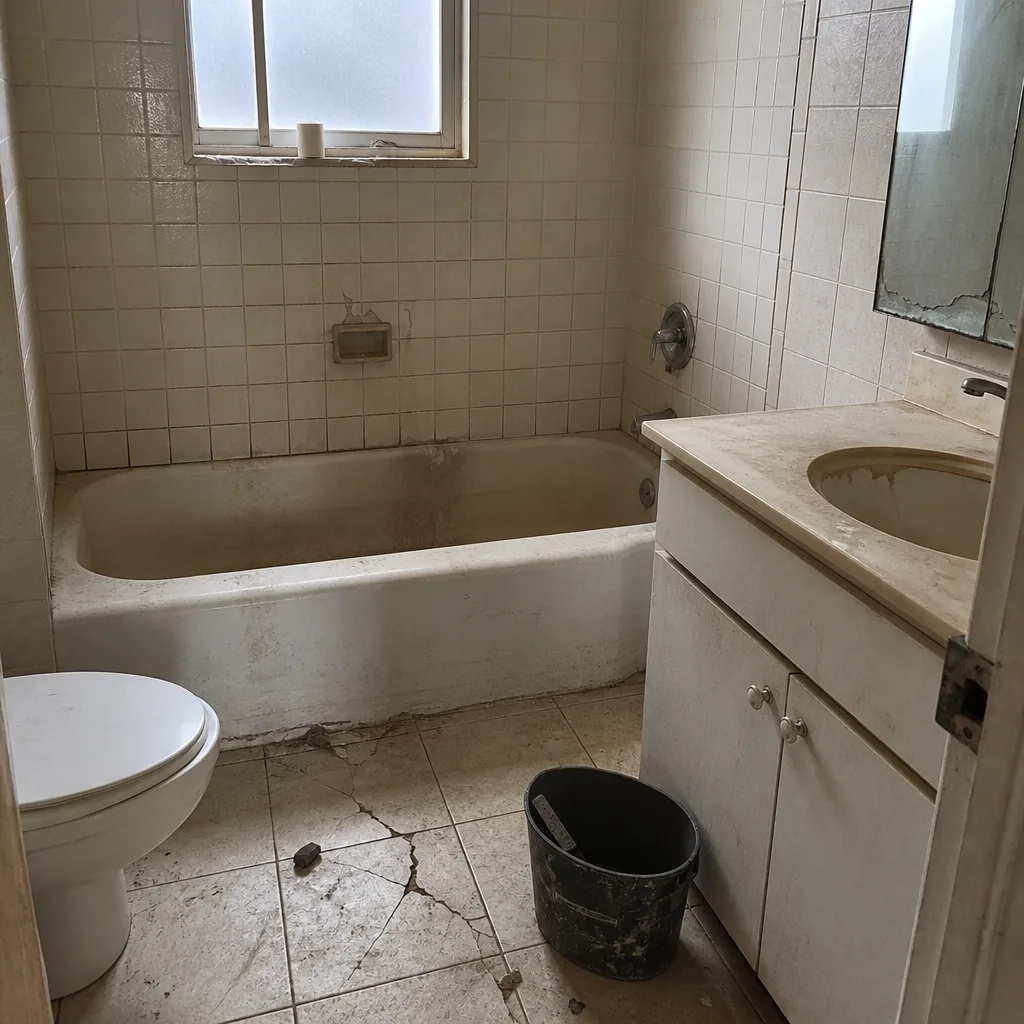 Before
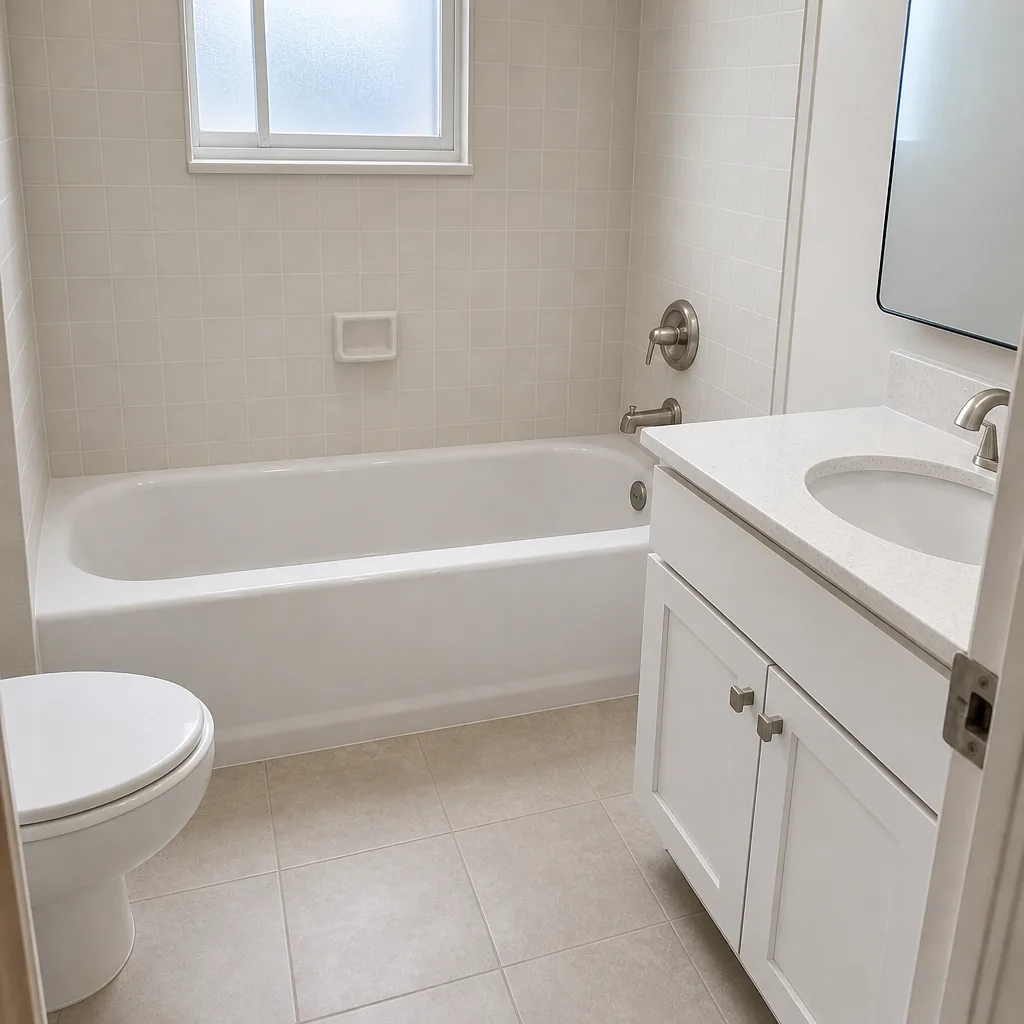 After
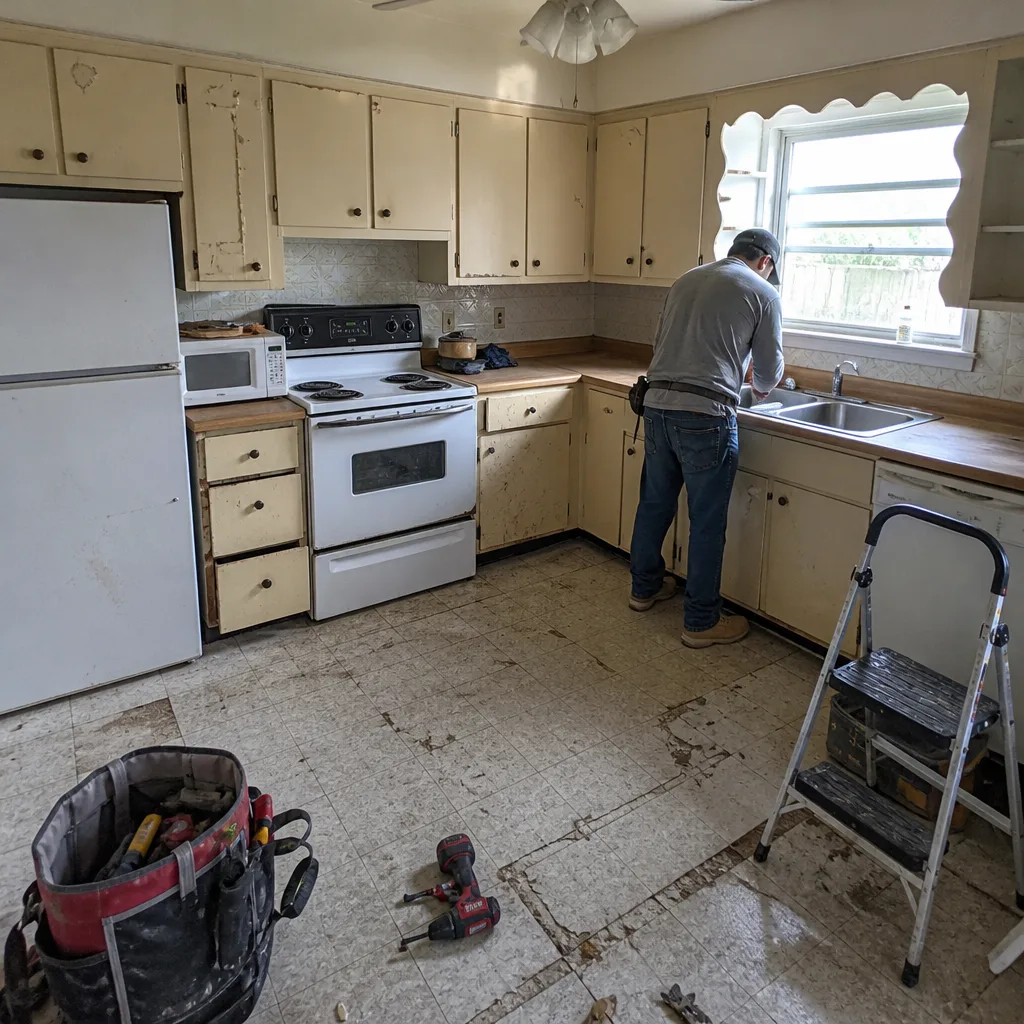 Before
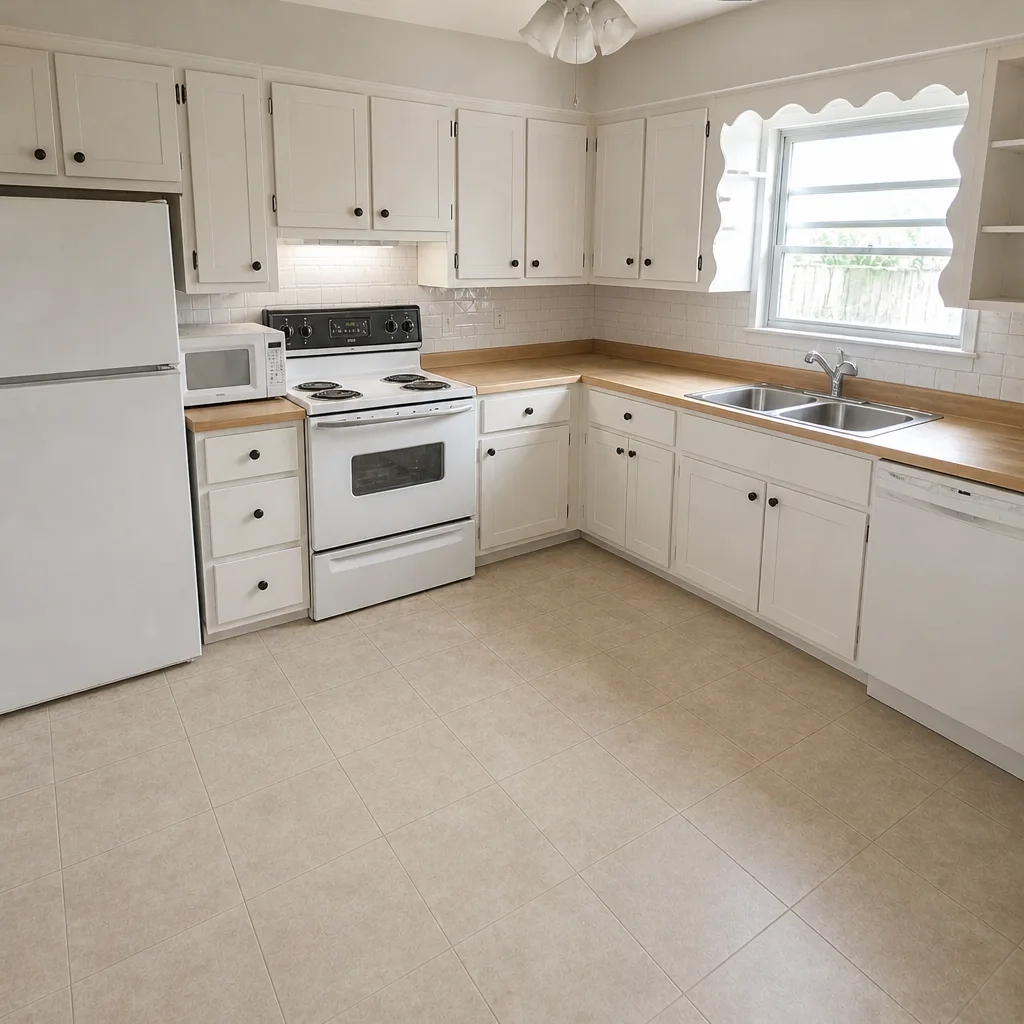 After
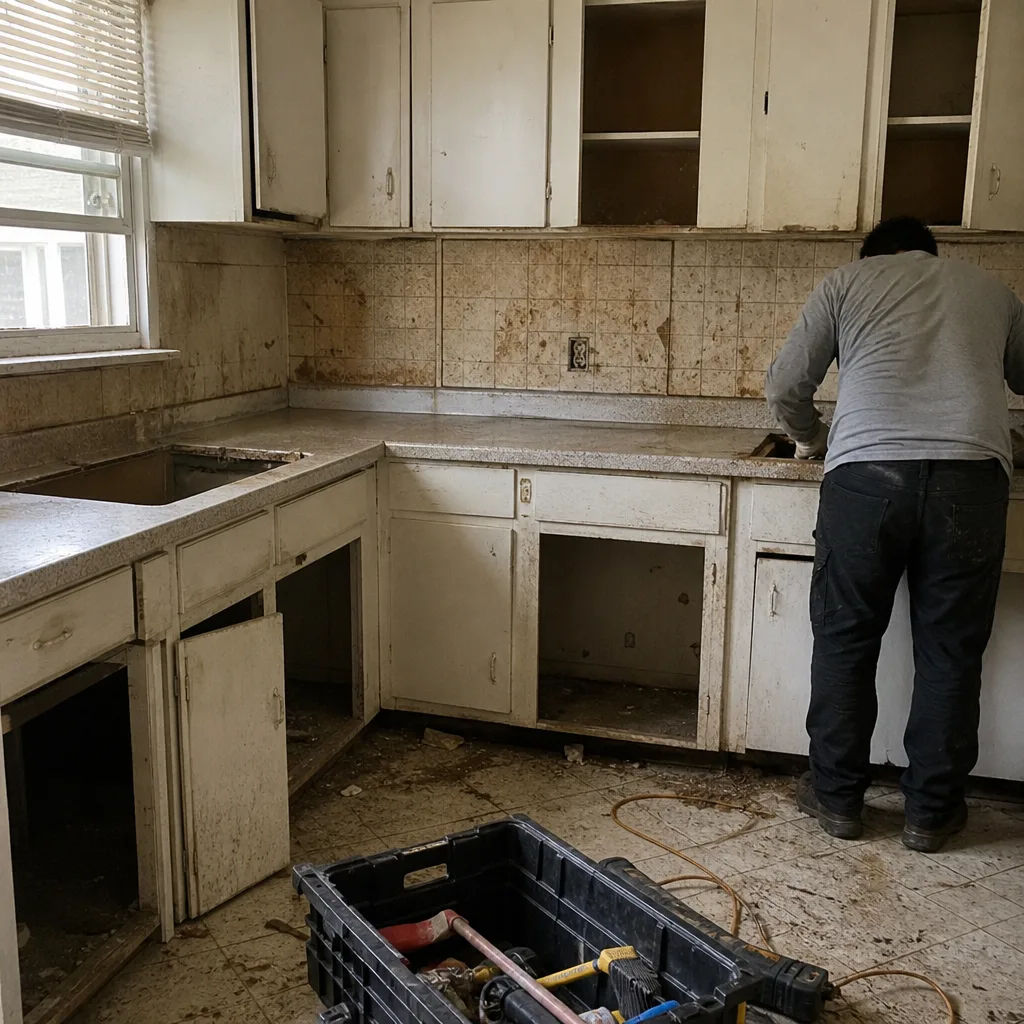 Before
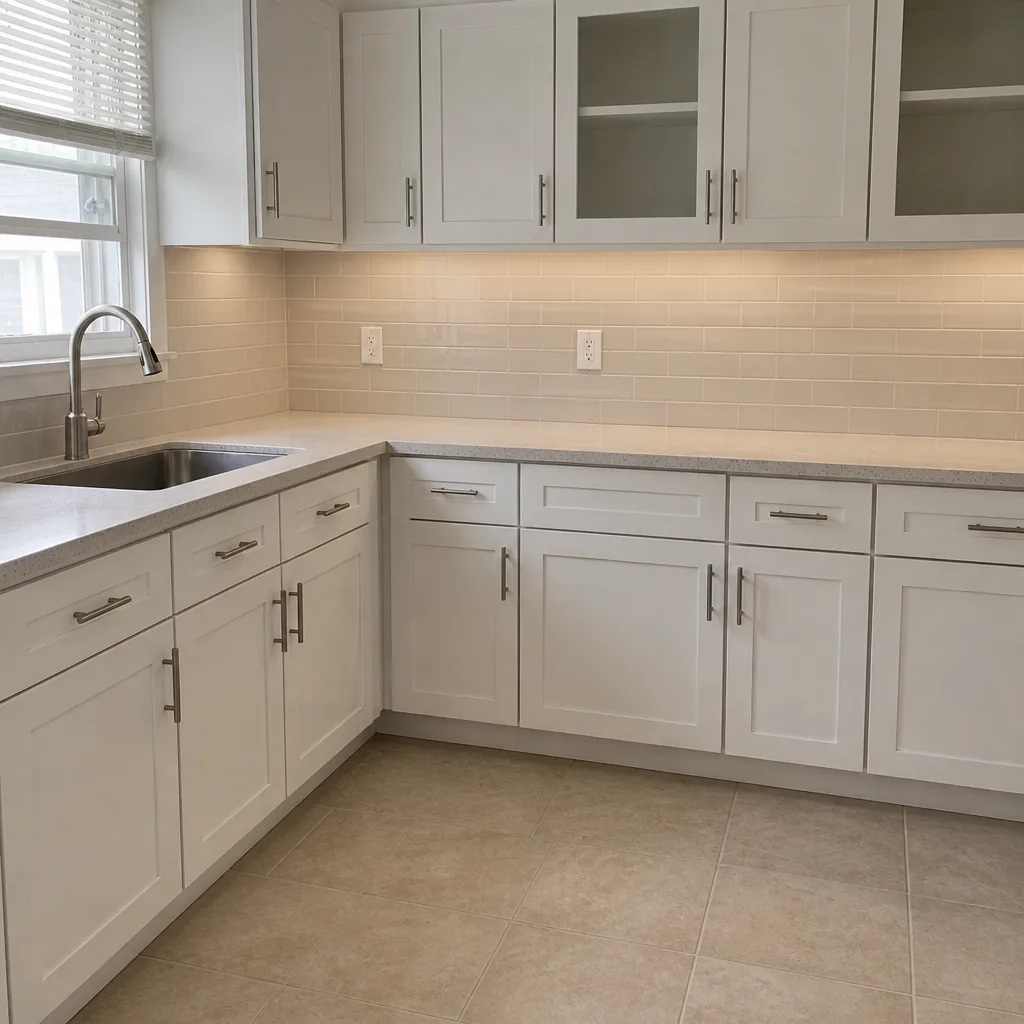 After
When to Call a Professional
Some work is genuinely DIY territory. Most of what this guide covers is not. Roofing at height, structural work on an addition, electrical and plumbing rough-in, and impact-rated glazing systems all carry real safety and compliance stakes, and getting any one of them wrong costs more to fix than to do correctly the first time. If a project touches your roof, your home’s structure, your electrical panel, or gas lines, bring in a trained professional – we’d say the same thing regardless of who you hire.
For projects that fall somewhere in the middle – a paver driveway, a stucco repair, a bath refresh – the question is whether you can meet the code and warranty requirements yourself. If the answer involves a permit, an inspection, or a manufacturer’s warranty that requires a qualified installer, call. North Miami Construction offers free estimates in North Miami – call (855) 842-6980 to schedule a visit and a written, line-item quote at no cost.
Frequently Asked Questions
Per-square-foot costs in North Miami in 2026 run roughly $18 to $45 for driveways and pavers, $6.50 to $14 for roofing depending on material tier, $8 to $16 for stucco, and $180 to $350 for additions and ADUs. The written estimate sets the final price, since lot conditions and finish choices move the number. Call (855) 842-6980 for an exact quote – estimates are free.
Impact-rated windows and doors and NOA-approved roofing are required to pass permitting here, and many insurers price policies around them, so a non-rated product saves money upfront and costs more in compliance and risk. Impact glazing typically adds 20 to 40 percent over standard, and high-wind roofing adds $1.50 to $3.00 per square foot. Call (855) 842-6980 to talk through the rating your project needs.
A properly written bid shouldn’t move unless the scope changes, and any legitimate change should be documented in a written change order before work continues. That’s why we put the full line-item scope in the estimate. Call (855) 842-6980 to schedule your free estimate.
Yes – permits are pulled and inspections are scheduled as part of the project, and they appear as a line item in the written quote rather than as a surprise later. Skipping the permit is not a savings; it’s a liability. Call (855) 842-6980 to get a quote that itemizes permits clearly.
Most roof replacements are completed in a handful of days once materials arrive, while additions and ADUs are measured in months because of engineering review, the inspection sequence, and site work. Lead times also depend on regional demand for roofing and impact-window products. Call (855) 842-6980 and we’ll walk you through a realistic schedule for your home.
Yes – phased renovation is common here, and a single contractor who handles multiple trade categories keeps the sequencing consistent from phase to phase instead of restarting coordination each time. The key is agreeing on the final plan first so each phase connects correctly to the next. Call (855) 842-6980 to plan the full scope with one team.
The Bottom Line
Construction costs in North Miami read differently from national averages because of four forces that don’t show up in most guides: impact-rated product requirements, post-storm demand surges, real permit and inspection costs, and the material grade gap between a bid that survives a decade and one that doesn’t. Roughly $18 to $45 per square foot for driveways and pavers, $6.50 to $14 for roofing, and $180 to $350 for additions are the ranges to hold in mind for 2026. The rest is about reading the bid – named products, hidden layers, permits as a line item, and the impact-rating specified in writing. One contractor, every layer of your home, from the driveway to the roofline, means one accountable party across every trade. And you choose the brand – we handle the rest, whether that’s GAF on the roof or Grohe fixtures in the bath.
If you’re ready to price a project, don’t settle for a number you can’t read. Call (855) 842-6980 for a free estimate. We answer 24/7, with fast dispatch from 7am to 7pm, Sunday through Friday. Our technicians have up to 9 years of experience, we pull the permits, and every quote is a written line-item estimate with fixed pricing and no change orders. Whether you’re planning a roof, a driveway, a bath, or a full addition, fence installation to the last exterior detail, one team keeps the whole build on the same schedule. Free estimates, written line-item quotes, and a team that knows these products because we install them every day.
Written by the team at North Miami Construction.