Last updated November 18, 2026


Free written scope consultation - allowances, timeline, and change-order rules on paper before a single trade is scheduled
The Complete Driveway & Pavers Guide for North Miami Homeowners
Most driveway failures we see around North Miami don’t come from too much weight. They come from water that had nowhere to go. A driveway can handle a work truck without complaint, then fall apart in two rainy seasons because the base under it was never built for the way this ground holds moisture. Homeowners tend to shop for pavers the way they shop for tile: by color, texture, and price per square foot. That’s the wrong order. In this climate the material and the base decide whether the driveway looks the same in ten years or turns into a patchwork of settled joints. In this guide we’ll walk through which materials actually hold up here, what base depth this soil really needs, how to read a spec sheet, and the installation sequence that prevents the most common failure we open up.
Quick Answer
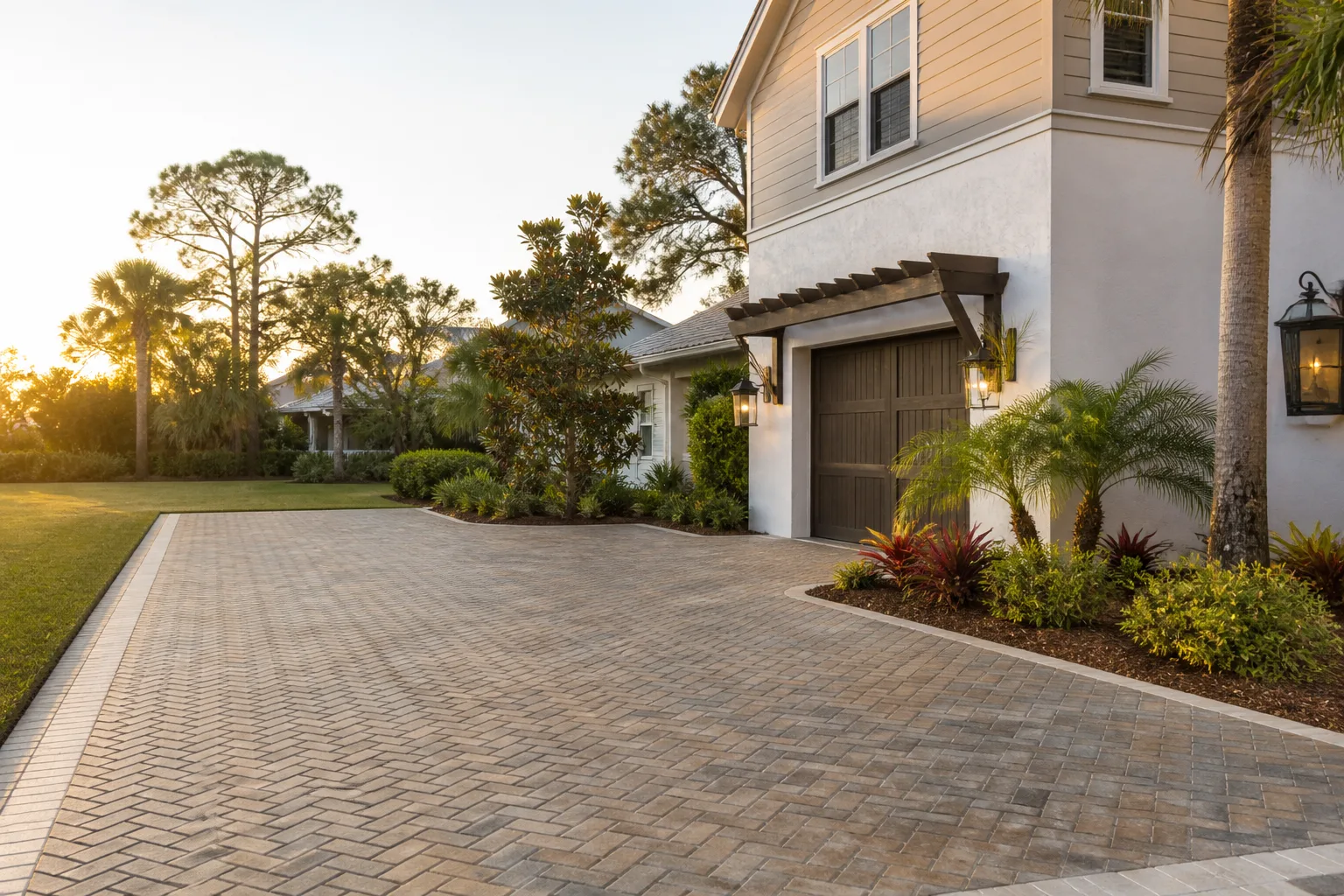
Driveway pavers in North Miami should be selected for water absorption and compressive strength first, appearance second. That usually means a low-absorption concrete paver or travertine over brick or high-porosity stone, laid on a compacted base built deeper than the national four-inch standard because of the alkaline, limestone-rich soil. Get the base and edge restraint right and most paver driveways here will outlast the house’s next two roof replacements.
Styles & brands we work with
- Kitchen remodeling
- Bathroom remodeling
- Home additions & ADU
- Roofing
- Windows & doors
- Driveway & pavers
- Fence
Table of Contents
- Why North Miami Driveways Fail Differently Than Anywhere Else
- The Alkaline Soil Problem and the Base Depth You Actually Need
- Concrete Pavers vs. Travertine vs. Porcelain vs. Brick: The Real Comparison
- Permeable Pavers, Flood Zones, and Your FEMA Designation
- How to Read a Paver Spec Sheet: PSI and Water Absorption
- The Installation Sequence That Prevents Edge Restraint Failure
- What Driveway Pavers Cost in North Miami
- Keeping a Paver Driveway Alive in South Florida
Why North Miami Driveways Fail Differently Than Anywhere Else
North Miami is a wet, hot, sun-baked place with a limestone floor under it. Those three facts reshape nearly every decision about a driveway. The region takes far more rain in a year than most of the country, and a lot of it arrives in short, violent bursts that overwhelm a surface before it can drain. That water then sits on a base that has only a narrow window to shed it. When it doesn’t shed, the aggregate under the pavers loosens and the pavers start to rock.
Heat matters too. Surface temperatures on a dark paver in direct July sun climb high enough that the material expands and contracts far more across a season than it would in a cooler market. That movement travels to the joints and the edge restraint, and where the edge gives, the field follows.
Then there’s the soil. Much of North Miami sits on oolitic limestone and a sandy, alkaline topsoil that changes character from block to block. In our experience, a base that compacts beautifully on one lot can turn mushy two streets over after a hard rain. That’s why we treat every driveway as a site-specific job rather than a one-size spec.
What this means for a North Miami homeowner
- Drainage design comes before pattern choice, not after.
- Base material and compaction matter more than the paver.
- Edge restraint is a structural element here, not a trim detail.
- A dark paver in full sun runs hotter and moves more than a lighter one.
Every layer of the driveway sits on top of the one below it. If you want that logic applied across the whole property, including how the drive meets the fence line and the roofline, that’s the kind of thing we handle as one scope. You can see the full breadth of it under North Miami Construction.
The Alkaline Soil Problem and the Base Depth You Actually Need
The national rule of thumb for a paver driveway base is four inches of compacted aggregate. In North Miami, that number is a starting point at best. The alkaline, limestone-rich soil here tends to hold water near the surface and shifts under load when it’s saturated, which means the base has to do more work than it would on a well-drained northern lot. We build base depth around the actual subgrade, the drainage path, and the expected load, not a flat number pulled from a manual written for a different climate.
Here’s how the base actually gets built, in sequence:
- Excavate to subgrade. Strip the topsoil and organic material. That material decomposes under a driveway and creates voids.
- Assess the subgrade. Check how the exposed soil behaves when wet. If it holds water, the design changes before anyone orders pavers.
- Lay and compact in lifts. Base aggregate goes down in layers, each compacted before the next goes on. One thick layer compacted once never reaches density at depth.
- Set the drainage slope. Water needs a path off the surface and away from the foundation, and that slope has to be built into the base, not skimmed onto the top.
- Install geotextile where it earns its keep. On sandy, shifting subgrade, a separation fabric keeps the base aggregate from migrating into the soil below.
- Compact the finished base and verify. A base that feels firm underfoot but deflects under a plate compactor isn’t done.
Alkaline soil adds a wrinkle most guides skip. Because the chemistry here leans basic, the wrong base aggregate can react and degrade over time instead of holding. That’s one reason we specify base material carefully rather than taking whatever’s on the pile. It’s also why we’d rather talk base for ten minutes than sell you a prettier paver.
A base built correctly on North Miami ground handles what a base built to the national four-inch standard often can’t: standing water during a summer downpour, and the slow drying that follows. If the base is wrong, no paver above it will fix the problem.
Concrete Pavers vs. Travertine vs. Porcelain vs. Brick: The Real Comparison
Under Florida heat-index conditions and the constant wetting and drying of the rainy season, pavers sort themselves out quickly by how much water they absorb and how well they hold their strength. Here’s how the main options stack up for a North Miami driveway.
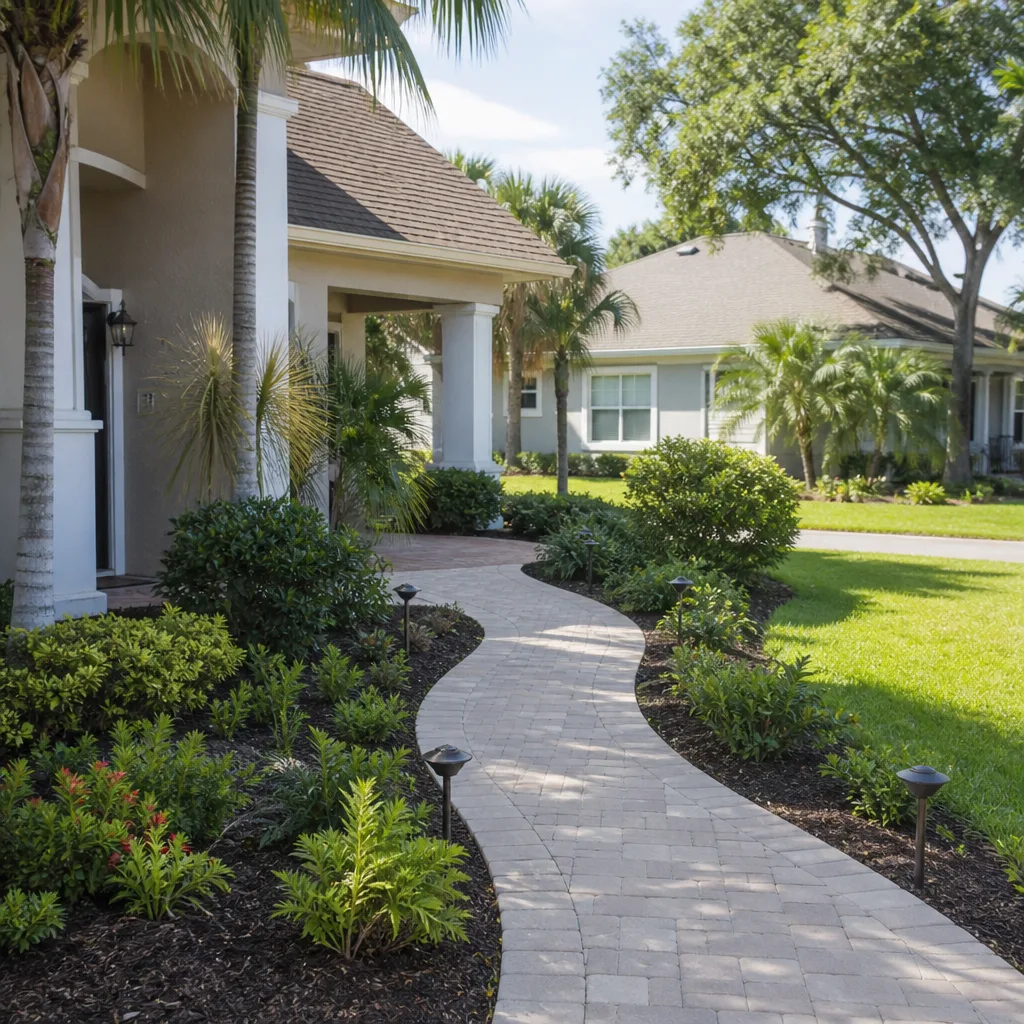
- Concrete pavers. The workhorse here. Low water absorption, high compressive strength, and the widest design range. Brands like Tremron and Belgard have been specified on this ground long enough that the track record is real. Best all-around pick for most North Miami driveways.
- Travertine. Cool underfoot and beautiful, and it handles heat well, but not every travertine is dense enough for a driveway load. Absorption varies by grade, so spec matters. Great for a shaded entry, more of a conversation for a full sun-baked drive.
- Porcelain. Extremely low absorption and strong against staining, which is why it does well in a wet climate. The catch is installation tolerance; porcelain needs a very flat, very well-compacted base, so a thin base punishes it hardest.
- Brick. Classic curb appeal, but it runs hotter in sun and varies more in absorption by manufacturer. It can work, especially in a lighter tone, when the base under it is built right.
The comparison most guides get wrong is heat. A dark surface in direct July sun gets hot enough to be uncomfortable barefoot and to push material expansion across the season. A lighter-toned concrete paver or travertine stays noticeably cooler. Pair that with the correct base and edge restraint and you’ve chosen for this climate instead of against it.
You don’t have to pick from a single manufacturer’s catalog. driveway & pavers work here pulls from a full range of professional-grade paver lines, from Belgard and Unilock to Techo-Bloc and Cambridge Pavers. You choose the brand and the look; the rest is ours to handle. Some projects also bring in Boral for a complementary masonry element, which is worth asking about if you want the driveway to tie into the house’s entry.
Permeable Pavers, Flood Zones, and Your FEMA Designation
Permeable paver systems are increasingly part of the design conversation in North Miami’s flood zones, and they’re a smart answer to a city that gets hammered by summer storms. They let water move through the surface and into a stone reservoir below instead of pooling on top. The system needs the same base discipline as a standard driveway, sometimes more, with open-graded aggregate and careful detailing so it can actually store and release water.
Before you settle on permeable versus standard, check your property’s FEMA designation. Every property sits in a flood zone, and the letter or number tells you how a floodplain manager views it. You can find yours through FEMA’s flood maps or ask your city’s building department when you pull permits. That designation can influence how much stormwater your driveway needs to manage and whether a permeable system makes more sense than a closed one.
What to check before choosing a permeable system
- Look up your FEMA flood zone. Confirm whether your lot sits in a mapped floodplain and what that means for stormwater.
- Confirm local stormwater requirements. Ask your city building department whether permeable paving is required or encouraged at your address.
- Evaluate the subgrade’s ability to infiltrate. Permeable paving works when water can move down through the soil, not when it hits a layer that won’t drain.
- Plan the reservoir and overflow. When a storm outpaces the system, water needs somewhere to go that isn’t your garage.
Permeable systems are also a design asset. Modern open-joint patterns look sharp and handle a North Miami downpour with less pooling at the garage door. That’s a real benefit in a place where water at the wrong moment is the enemy.
A paver driveway is one layer of a home that needs every layer handled well. The same property often needs a roof, windows, or a fence addressed in the same scope. If you’re thinking about the whole envelope rather than the driveway alone, that’s the kind of full-scope work we take on, and it’s why we’ve built a brand roster across all seven categories instead of specializing in one trade.
How to Read a Paver Spec Sheet: PSI and Water Absorption
Two numbers on a paver spec sheet matter most in this climate: compressive strength, measured in PSI, and water absorption rate. The first tells you how the paver holds up under load. The second tells you how it behaves in rain and standing water, which is the number most homeowners skip.
- Compressive strength (PSI). Higher is stronger, and for driveways you want the strong end of the manufacturer’s range. Paver-manufacturer spec sheets list the tested rating per product line; if the number isn’t listed, ask for it.
- Water absorption rate. This is the share of water the paver can take on. Low absorption is what you want in a wet climate. A porous paver soaks, expands, and can stain; a dense paver sheds water and holds its color.
- Breaking strength. Some spec sheets list the load a paver handles before failure. Useful for driveway load comparisons.
- Freeze-thaw rating. Skip it. It’s irrelevant here.
Read the sheet against the application, not in a vacuum. A paver with great numbers for a patio in a dry market may be the wrong choice for a full-sun driveway on North Miami ground. When the numbers are close, ask the manufacturer’s technical rep or lean on your installer’s experience with that specific line. We’ve installed these product lines often enough to know which ones behave.
Ask for the spec sheet on any paver you’re considering, and read the absorption number before the color chart. Manufacturers rarely advertise a weak absorption figure, so the spec sheet, not the showroom, is where the truth lives.
The Installation Sequence That Prevents Edge Restraint Failure
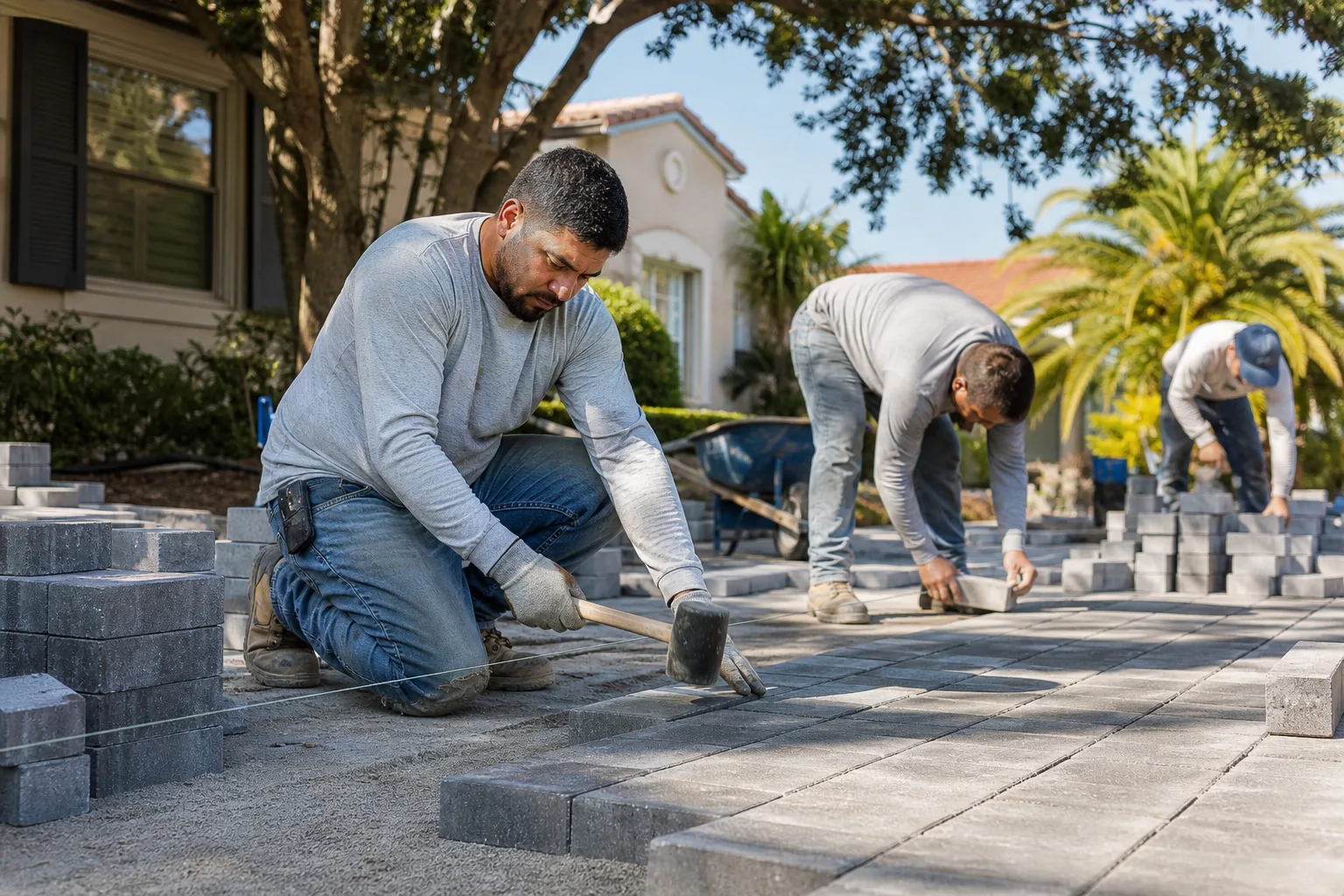
Edge restraint shifting on sandy South Florida substrate is the single most common failure point we open up. When the edge gives, the pavers next to it loosen, the joints open, and the whole field starts to travel. The fix isn’t a heavier block; it’s a sequencing and anchoring discipline.
- Anchored edge restraint. The edge restraint has to be set and fixed to the base, not floated on the surface. On sandy subgrade, restraint needs real anchoring so the pavers can’t push it outward.
- Proper bedding layer. A consistent sand layer over the compacted base lets the pavers lock in and drain evenly.
- Joint spacing and filling. Even joints filled with the right joint sand let the surface flex as it expands in the heat. Uneven joints fill poorly and start eroding in the first rainy season.
- Compaction after laying. A plate compactor over the finished field seats the pavers into the bedding and shows up early signs of settling.
- Final inspection. Walk the edge, the corners, and the intersection with the garage apron and the street. That’s where shifting starts.
The order matters because each step locks in the one before it. An excellent paver on a restrained edge that isn’t anchored will still fail. A modest paver on a properly built base with a properly anchored edge will outlast it every time.
What Driveway Pavers Cost in North Miami
Driveway paver pricing is driven mostly by square footage, material choice, and how much base work the site needs. The estimate is per job by written line item, so the useful number is the range you should expect before site conditions enter the picture. The written estimate always sets the final price, and it’s the number that matters.
| Line item | Typical range | Notes |
|---|---|---|
| Concrete paver driveway (installed) | $15-$30 per sq ft | Most common North Miami choice |
| Travertine or porcelain driveway | $25-$45 per sq ft | Higher material cost, tighter installation tolerance |
| Base excavation and compaction | $4-$10 per sq ft | Varies with site drainage and subgrade conditions |
| Permeable paver system | $20-$40 per sq ft | Includes reservoir aggregate and open-graded detailing |
| Edge restraint | $3-$8 per linear ft | Anchored restraint on sandy substrate |
Ranges are typical for this market and shift with material brand, pattern, site access, and drainage work. Labor and material on a North Miami driveway often cost more than in a cooler market because the base work is deeper and the drainage detailing is heavier. That’s the honest trade the price reflects.
Keeping a Paver Driveway Alive in South Florida
A paver driveway on a proper base needs little, but the little matters here. Joint sand washes out faster under heavy rain, so re-sanding every few years keeps water from working its way under the pavers. A quick rinse after the dry season removes the dust and fine grit that collect in the joints, and a thorough wash keeps the surface from staining in the sun.
Watch the edges closely. If you see pavers rocking at a corner or a joint widening near the garage apron, get eyes on it early. In this climate, small joint failures don’t sit quietly; water finds them. Weed growth in joints usually means the joint sand has thinned, not that the base is wrong. Catching either early is far cheaper than resetting a section.
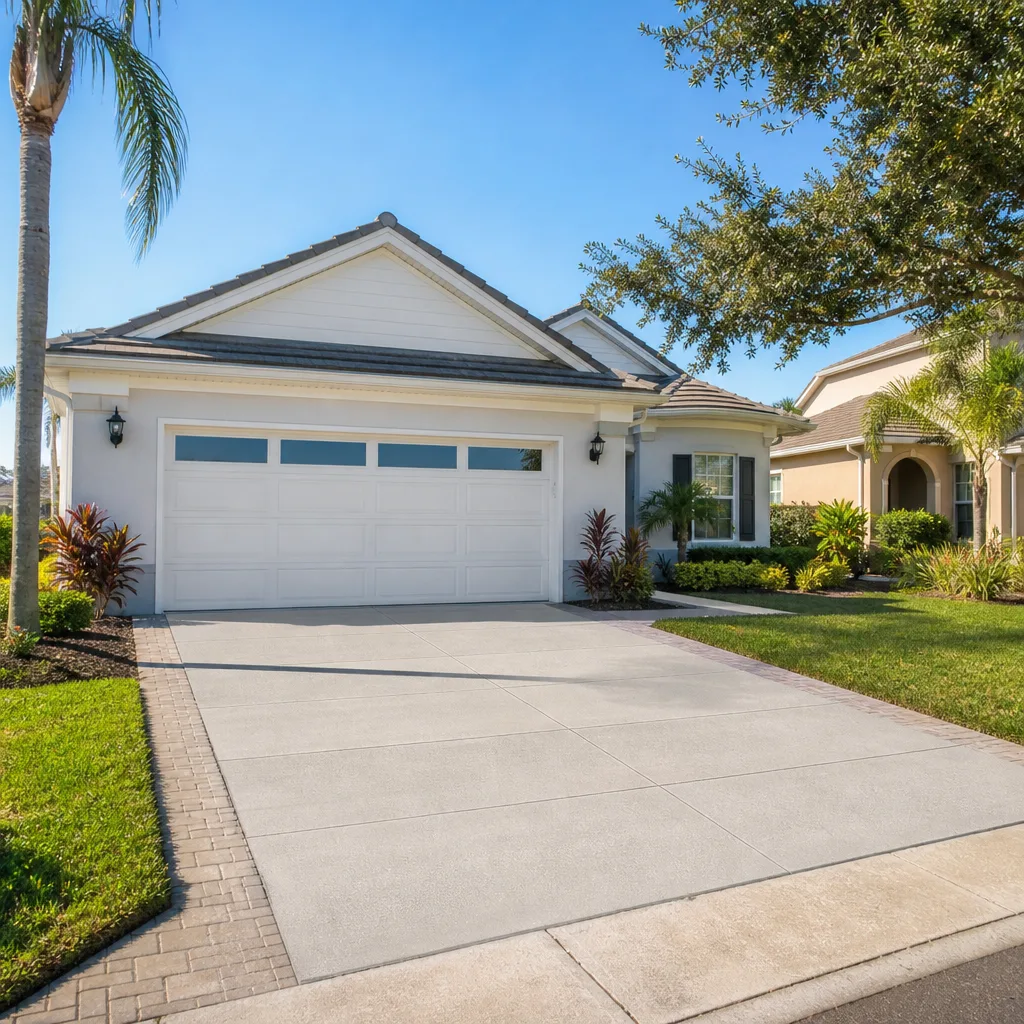
The good news is that pavers are the most repairable driveway surface in the trade. A damaged section can be lifted, re-bedded, and re-laid with matching material rather than patched with something that never quite matches. That’s a real advantage over poured concrete, which cracks and stays cracked.
Common Mistakes to Avoid
- Choosing the paver before the base. Homeowners often pick a color and pattern first and leave the base to chance. In North Miami, the base decides whether the pavers survive.
- Building to the national four-inch rule on sandy soil. Four inches of compacted base that works in a cooler climate can be too thin here, and it’s the mistake that costs the most.
- Skipping the FEMA flood-zone check. If the lot sits in a mapped floodplain, the stormwater plan changes, and picking a closed system without checking can be a costly rethink.
- Floating the edge restraint instead of anchoring it. This is the most common failure we open up, and it usually starts at the corners and the intersection with the apron.
- Reading the spec sheet for color and strength but not absorption. Low absorption is what this climate actually rewards, and skipping it is choosing for looks over performance.
- Ignoring the drainage slope. If water sheets toward the garage instead of away, no amount of Joint sand will fix it.
- Letting a small edge failure ride. In this climate, water finds the weak joint fast, and early repair is where the savings are.
See the difference
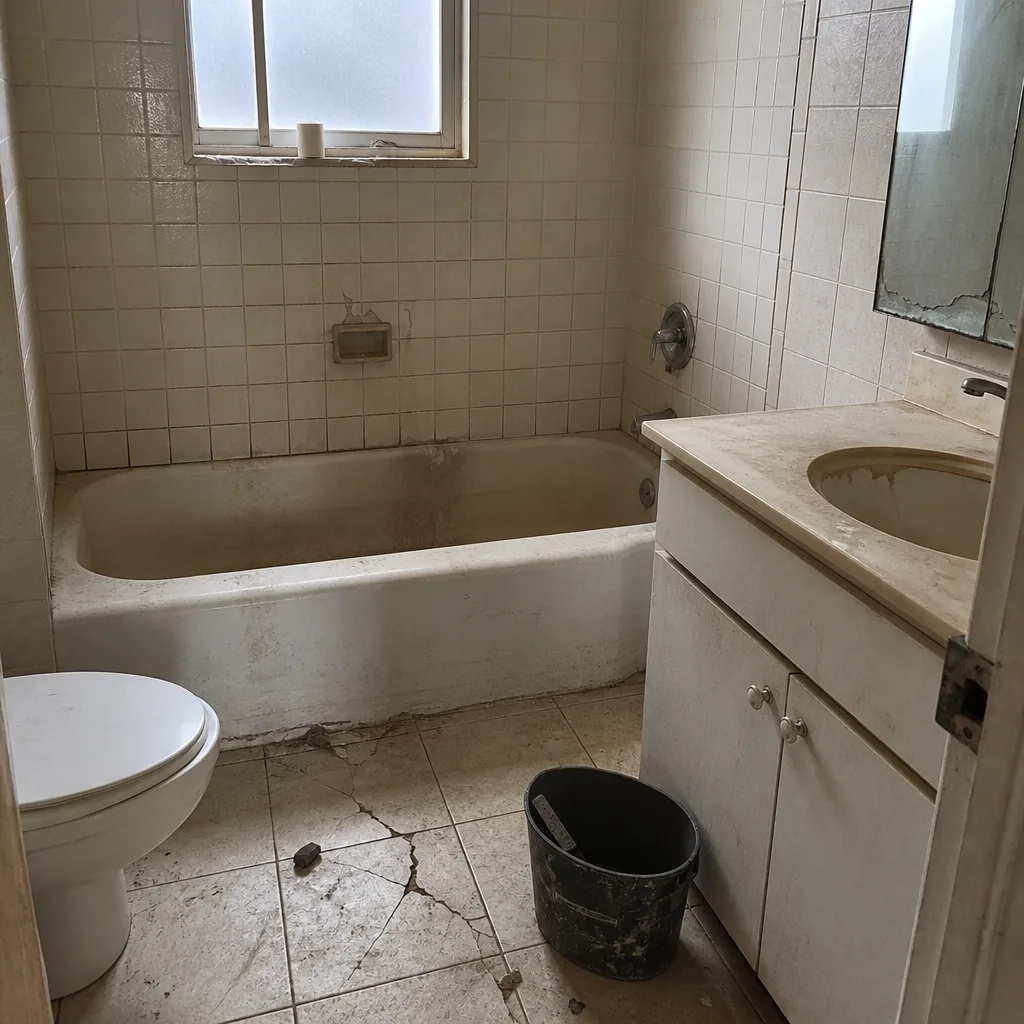 Before
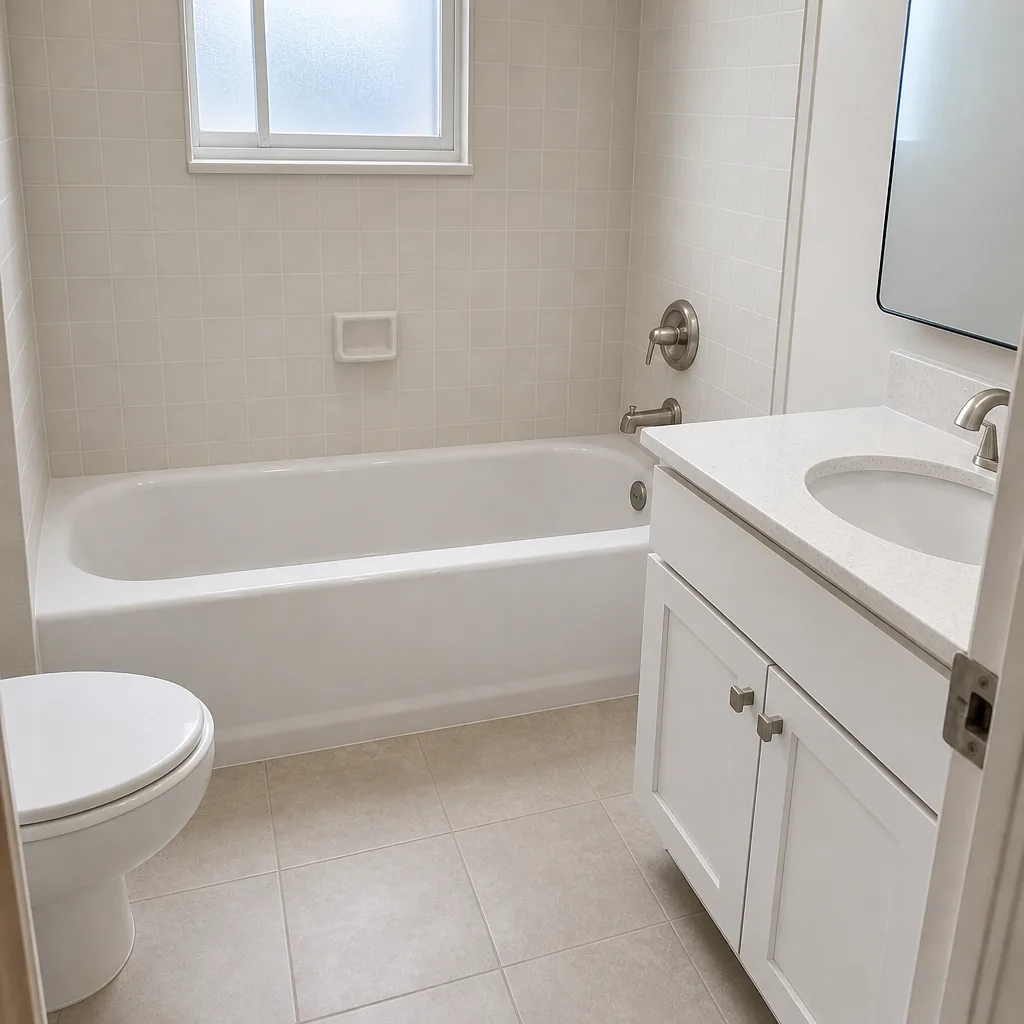 After
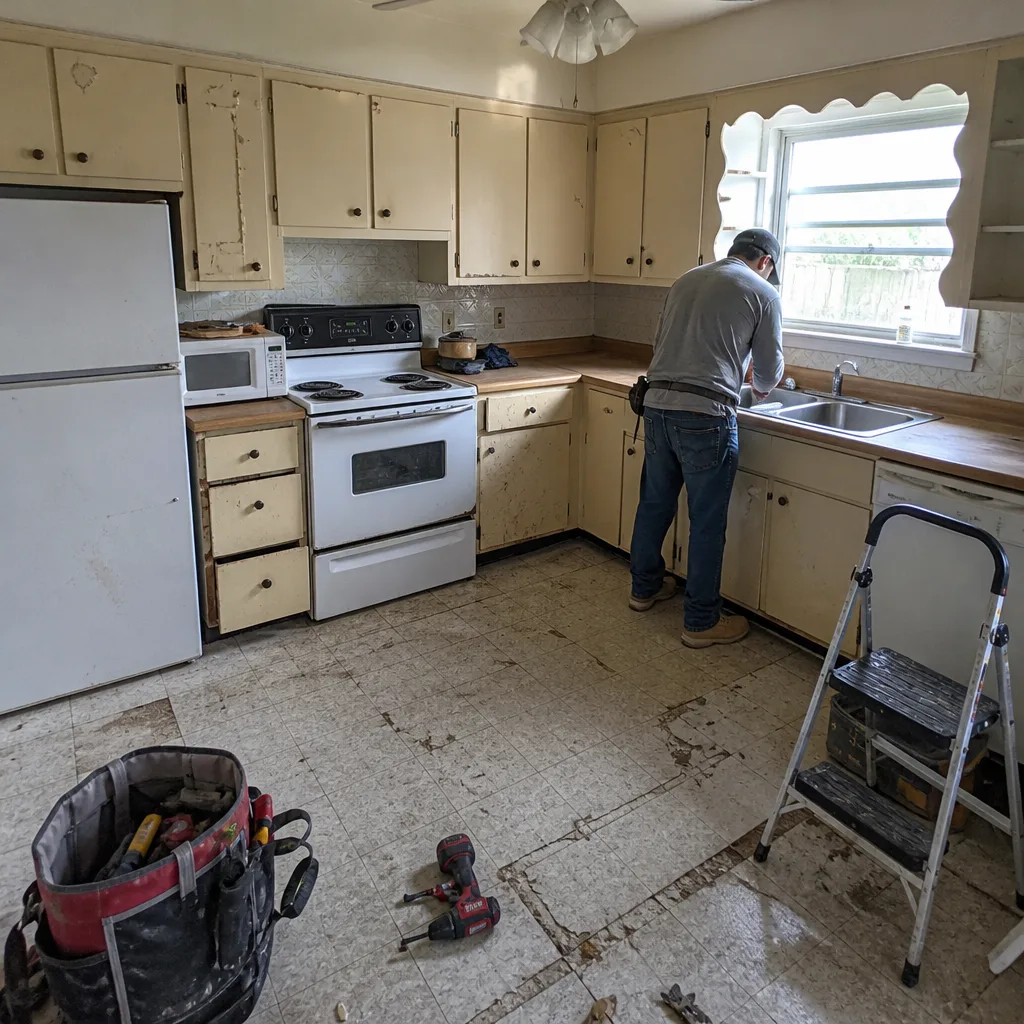 Before
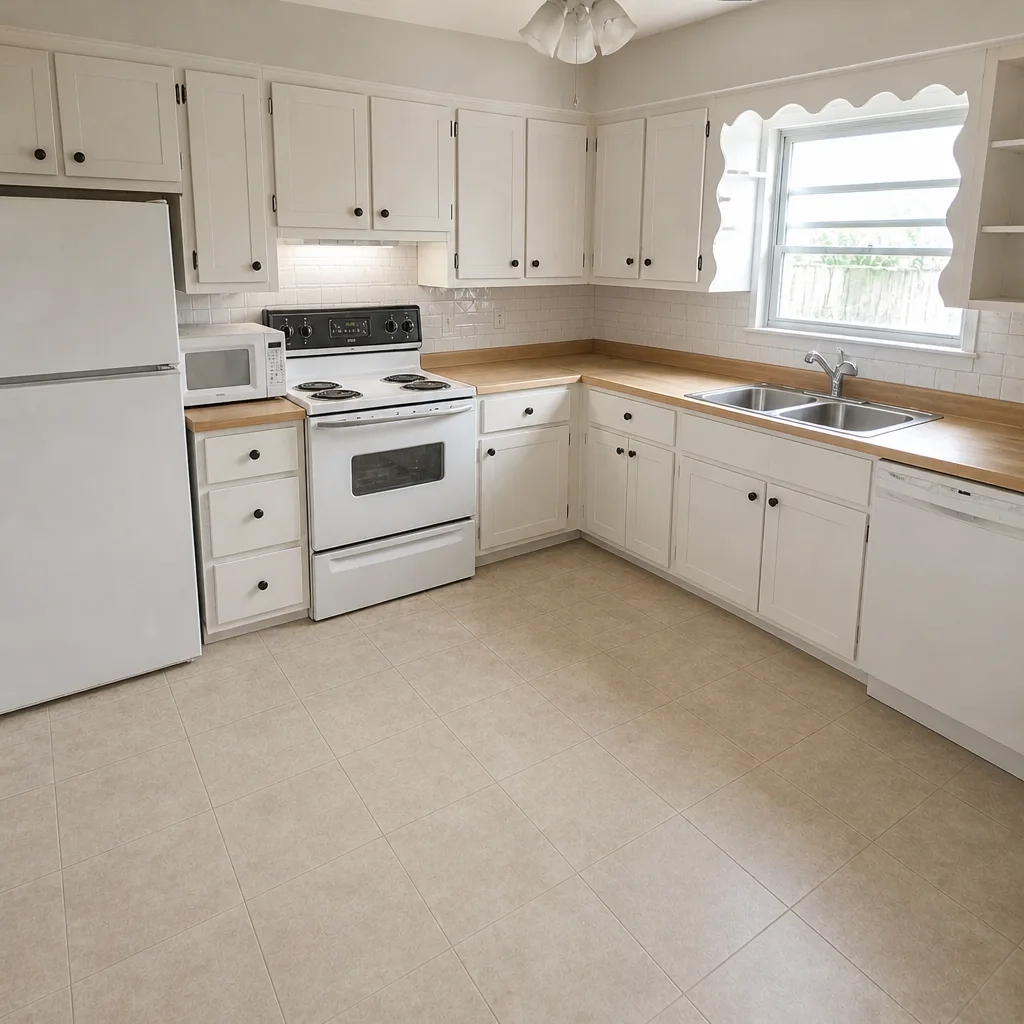 After
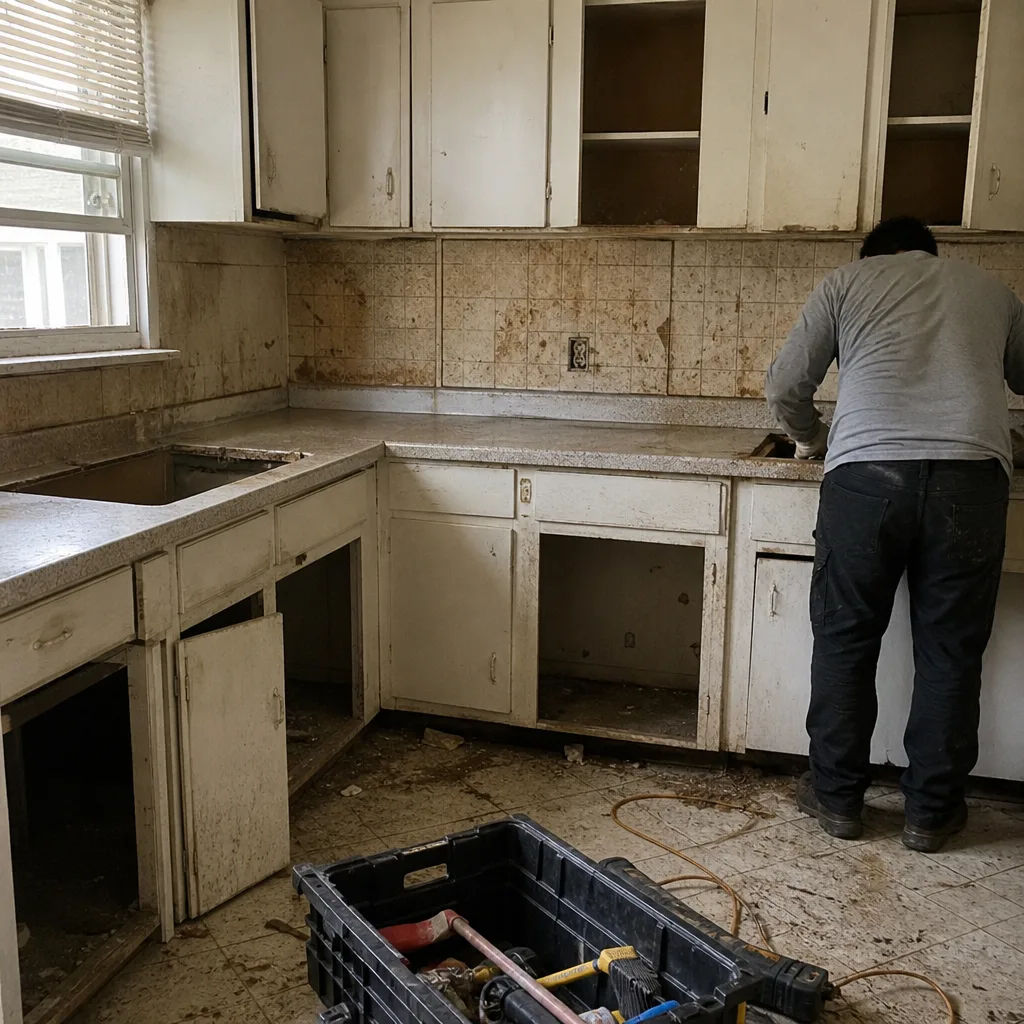 Before
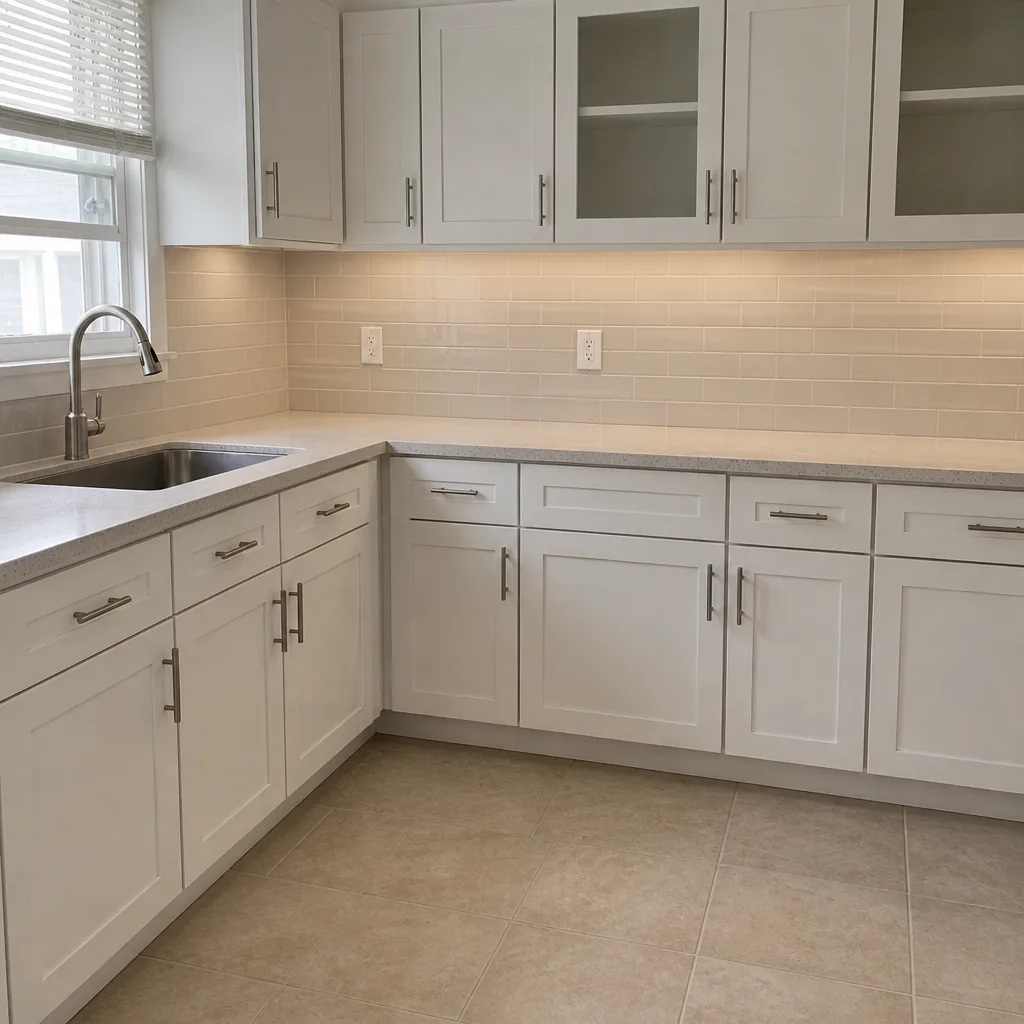 After
When to Call a Professional
Bring in a professional when the base or the drainage is in question, when the lot sits in a mapped flood zone, or when a permeable system is in play. Those are the situations where a wrong call means tearing out a driveway, not touching up a joint. Call a pro when you see pavers rocking at the edge, joints widening near the apron, or water pooling against the house. And call when the driveway is part of a bigger scope like a fence, a roof, or an addition, so the layers are planned together.
North Miami Construction offers free estimates in North Miami. We work across all seven trade categories, from the driveway to the roofline, with a hand-selected roster of manufacturer brands. Call North Miami Construction. Our technicians have up to 9 years of experience building to the climate in front of them. Call (855) 842-6980. We answer 24/7. Fast dispatch from 7am to 7pm, Sunday through Friday.
Frequently Asked Questions
Driveway pavers in North Miami typically run $15-$45 per square foot installed, depending on material, base depth, and drainage work. A concrete paver drive usually lands in the $15-$30 range, while travertine or porcelain sits higher. Call (855) 842-6980 for an exact quote. Estimates are free.
The right base depth in North Miami is deeper than the national four-inch standard because the sandy, limestone-rich soil holds water and shifts. Base depth is built around the actual subgrade and drainage conditions at your property, not a flat number. A proper base is compacted in lifts. Call (855) 842-6980 for an exact quote. Estimates are free.
Many driveway projects require a permit, so ask your city’s building department before any work begins. If your lot is in a mapped flood zone, the stormwater requirements can change what you’re allowed to build. We pull the permits and see the inspection through on our jobs. Call (855) 842-6980 for an exact quote. Estimates are free.
Permeable systems are increasingly part of the design conversation in flood zones, and the requirement depends on your FEMA designation and your city’s stormwater rules. Check your property’s FEMA flood zone before you choose a system or a pattern. Call (855) 842-6980 for an exact quote. Estimates are free.
Low-absorption, high-PSI concrete pavers hold up best in North Miami, with travertine and porcelain close behind when the base is built to match. The absorption number matters most in a wet climate, and a lighter tone runs cooler in the summer sun. Call (855) 842-6980 for an exact quote. Estimates are free.
Yes. Paver driveways are the most repairable hardscape surface because damaged sections can be lifted, re-bedded, and re-laid with matching product. If water has worked under the base, though, the repair may need to go deeper than the surface. Call (855) 842-6980 for an exact quote. Estimates are free.
No. The written line-item estimate sets the final price, so the number you sign is the number you pay. Site conditions that weren’t visible before excavation are discussed and re-quoted before work continues. Call (855) 842-6980 for an exact quote. Estimates are free.
How long does a paver driveway take to install?
A typical paver driveway installation runs about one to two weeks for an average residential drive, depending on base work, drainage, and pattern. The base and edge restraint stages take the most time because that’s where the quality lives. Call (855) 842-6980 for an exact quote. Estimates are free.
The Bottom Line
Choosing driveway pavers in North Miami is a structural decision first. Pick the base depth for this soil, anchor the edge restraint, check your FEMA designation, and read the spec sheet for absorption before color. Get those right and the driveway chosen for concrete, travertine, porcelain, or brick will hold up through the wet season and the sun. Get them wrong and the best paver on the market will still fail. If you want that logic applied across the whole property, from the drive to the roofline, we build it as one scope. From the drive to the roofline, driveway & pavers, fence installation, and home additions & ADU work all connect, and we handle them together.
Call (855) 842-6980. We answer 24/7. Fast dispatch from 7am to 7pm, Sunday through Friday. The estimate is free, the quote is written line by line, and the price is set per job by the written estimate. You choose the brand; we handle the rest.
Written by the team at North Miami Construction.